Maca
10 natural tips with the Peruvian medicinal root
-
Store correctly
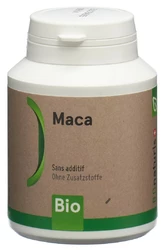
Keep maca powder and capsules cool and dry, ideally in a dark cupboard or pantry. Moisture and heat can speed up losses in flavour and active compounds.
-
Check shelf life
Pay attention to the production date: maca extract is generally stable for at least two years from manufacture. After that period, taste and effectiveness may decline.
-
Keep fresh root briefly fresh
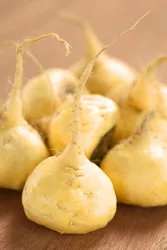
Store fresh maca roots in the vegetable drawer of the fridge, as the leaves wilt quickly. For one to two days: remove the leaves, wash them, place them slightly damp in a plastic bag and put the bag in the vegetable drawer.
-
Prepare fresh maca
Wash fresh maca thoroughly, remove the tip and leaf stalk, peel if necessary and cut according to the recipe into slices, sticks or cubes.
-
Use powder in many ways
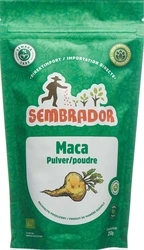
Maca powder can be stirred into almost anything: smoothies, shakes, yoghurt, muesli, dressings or soups. It also gives baked goods, bars, cookies or muffins a nutritious boost.
-
Use young leaves
The very young, tender maca leaves are good raw in salads or chopped into herb cheese. Larger leaves can be cooked like spinach – that way you use the whole plant.
-
Maca as a coffee alternative
Roasted maca powder is a caffeine‑free alternative to coffee and can be made into a „Maca‑Latte“ or other warm drink. It is stimulating without providing caffeine.
-
Taste and combinations
Maca has a sweet‑bitter to lightly spicy flavour and pairs well with sweet ingredients like honey, cocoa or fruit as well as with spices such as cinnamon or turmeric. Adjust recipes to taste.
-
Dosage note and product strength
Manufacturers often recommend dosages between 5 and 20 g of raw powder. There is no universal recommendation. Follow the instructions on the package and start with a low dose.
- Contraindications and precautions
Do not take maca during pregnancy, breastfeeding, thyroid disorders or high blood pressure without consulting your doctor. Seek medical advice for allergies or if in doubt.