Light‑induced dermatitis
These 10 tips help you prevent light‑induced dermatitis
- \n
- \n
Boost moisture to support the skin barrier
\n \n
Apply an intensive moisturising cream containing ingredients such as hyaluronic acid or glycerin before sun exposure. This strengthens the skin barrier and effectively prevents dryness, which can promote light‑induced dermatitis.
\n- \n
- \n
Choose skin‑friendly products before sun exposure
\n \n
Avoid perfumes, fragranced products or make‑up before going into the sun, as these can make the skin photosensitive. That prolongs sensitivity to UV rays and significantly increases the risk of light‑induced dermatitis.
\n- \n
- \n
Use sun protection consistently
\n \n
Always use a sunscreen with a high sun protection factor (at least SPF 30) that protects against both UVA and UVB radiation. Apply the product ideally 20–30 minutes before sun exposure and reapply regularly, especially after swimming or sweating.
\n- \n
- \n
Avoid peak sun hours
\n \n
The strongest UV radiation occurs between 11:00 and 15:00 – avoid direct sun exposure during this time where possible. Opt for shaded areas or stay indoors to avoid unnecessary stress on your skin and help prevent light‑induced dermatitis.
\n- \n
- \n
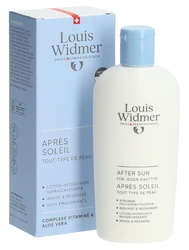
After‑sun products with photolyase for skin regeneration
\n \n
After‑sun products that contain the enzyme photolyase specifically support the repair of UV‑induced skin damage. This algae‑derived enzyme can improve cell renewal, speeding healing and helping to prevent future irritation.
\n- \n
- \n
Natural cooling with home remedies
\n \n
Aloe vera gel provides moisture and has anti‑inflammatory properties, which can quickly soothe irritated skin. Cold quark spread on a cloth can also be used as a natural compress. It reduces redness and relieves itching.
\n- \n
- \n
Cold compresses for itching
\n \n
Use cooling compresses to relieve acute skin irritation and severe itching. Make sure to wrap the cold pack in a cloth to avoid frostbite, and apply it to the affected area only for short periods.
\n- \n
- \n
Soothing bath additives and compresses
\n \n
For gentle care, oatmeal baths or compresses with chamomile and green tea are suitable, as they have anti‑inflammatory and itch‑relieving effects. These natural remedies complement medical treatment well and promote skin comfort.
\n- \n
- \n
Antihistamines for severe itching
\n \n
Antihistamines can effectively reduce unpleasant itching associated with light‑induced dermatitis. They are available as tablets or creams. Treatment should always be discussed with a doctor to determine the appropriate dosage and formulation.
\n- \n
- \n
Corticosteroids for significant inflammation
\n \n
For severe skin inflammation, doctors often prescribe corticosteroid medications that quickly reduce symptoms. Their anti‑inflammatory effect helps to combat redness and swelling effectively and supports the healing process.