Kidney stones
10 surprising ways to effectively avoid kidney stones
-
Limit foods high in oxalate
Avoid foods with a high oxalate content such as rhubarb, beetroot, spinach, chard, parsley, walnuts, dark chocolate, coffee and cola. These can bind with calcium to form crystals that promote kidney stone formation.
-
Drink enough to keep urine diluted
Drink at least two to 2.5 litres daily, ideally water or unsweetened teas. This keeps your urine diluted and helps prevent mineral deposits that form kidney stones.
-
Prefer dietary calcium
A daily calcium intake of about 1’000 to 1’200 mg is preventive, as calcium reduces oxalate absorption in the gut. Choose dairy products, broccoli and oranges rather than calcium supplements, which can increase risk.
-
Reduce animal protein
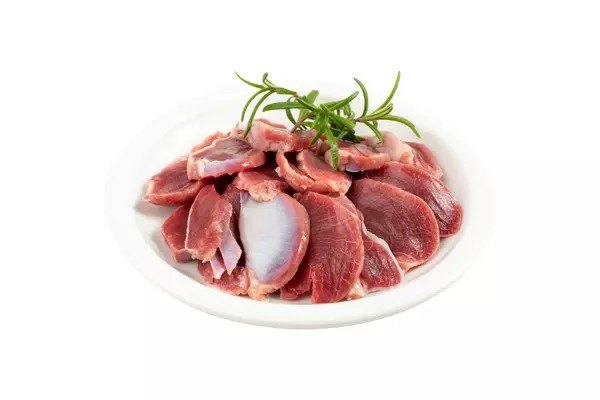
Red meat and eggs contain a lot of animal protein, which can promote stone formation. Opt for plant proteins from legumes, whole grains, vegetables and salads instead.
-
Limit salt intake
Follow a low‑sodium diet with a maximum of 1’500 mg sodium per day (about 4 g of salt), as salt increases calcium excretion and can accelerate stone formation. Avoid processed and canned foods.
-
Eat magnesium‑rich foods
Magnesium inhibits growth of calcium‑oxalate stones. Regularly include magnesium‑rich foods such as whole grains, legumes, bananas, berries and vegetables in your meals.
-
Low‑purine diet for uric acid stones
If you are prone to uric acid stones, reduce consumption of purine‑rich foods such as certain fish (e.g. herring, mackerel, anchovies), meat and seafood to lower uric acid production.
-
Choose fruit and vegetables
Enjoy plenty of fruit and vegetables, especially potassium‑rich fruits such as bananas or citrus (excluding grapefruit). Aim for a balanced selection and avoid oxalate‑rich varieties.
-
Include fish sensibly
Eat fish once or twice a week, at least once a week a fatty sea fish like salmon or tuna to benefit from anti‑inflammatory omega‑3 fatty acids.
- Keep weight and activity in check
Maintain a healthy body weight, as overweight promotes kidney stones. Also support your health with regular physical activity, since exercise helps prevent small stones from consolidating.