Incontinence
10 solutions for wet surprises
-
What falls under the term incontinence?
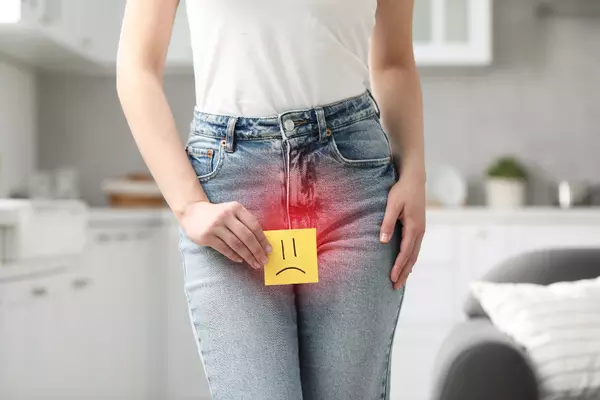
Even the involuntary loss of a few drops of urine between visits to the toilet is considered incontinence. Being aware of this helps you notice symptoms early and take appropriate steps.
-
Use the toilet regularly as a preventive measure
Planned voiding prevents unexpected emergencies, which is especially practical when you're out and about. Make sure not to wait too long out of habit, but avoid emptying the bladder too frequently as well.
-
Avoid bladder-irritating foods and drinks
Coffee, alcohol, spicy foods and similar irritants can increase the urge to urinate. At the same time, maintain regular digestion, since constipation places additional strain on the bladder.
-
Protect yourself from cold and drafts
Both can irritate the bladder and worsen symptoms. Wear warm clothing and avoid direct exposure to cold, especially in the lower abdomen area.
-
Use relaxation and breathing techniques when you feel urgency
Autogenic training or other relaxation methods can help better control the urge to urinate in cases of urgency incontinence. Such techniques reduce stress responses that can further irritate the bladder.
-
Reduce excess weight in a targeted way
With excess weight, the pelvic floor muscles are often weakened. A weight loss of around 10% can already significantly reduce symptoms of stress incontinence. Aim for healthy and sustainable weight-loss measures.
-
Avoid increased abdominal pressure
Do not lift heavy loads, avoid intensive jogging and treat chronic cough in good time. Address cough and constipation promptly and prefer joint-friendly sports such as swimming, cycling or Nordic walking.
-
Choose suitable aids
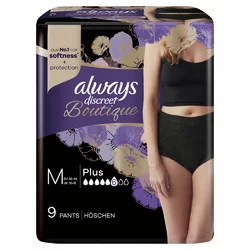
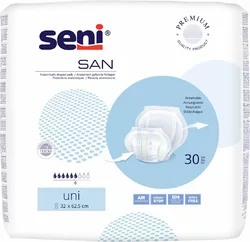
Use pads or incontinence briefs specifically developed for incontinence with the appropriate absorbency level. Regular sanitary pads are usually unsuitable as they hold less liquid and are not designed to control odour.
-
Care for your skin gently and regularly
The skin in the intimate area is often moist and sensitive with incontinence. Mild cleansers and specific care creams protect against irritation. Use gentle cleansing and regular skin protection to avoid discomfort.
- Keep a voiding diary
Record fluid intake, toilet times, urine volume, involuntary losses and the strength of the urge. This diary gives your doctor concrete information and forms the basis for a tailored bladder training programme.