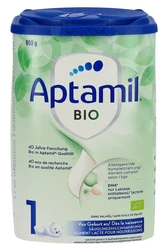
Infant formula
10 tips to best support your baby at feeding times
-
Choose an infant formula that matches your baby’s age and needs
Pay attention to official categories such as Pre, 1, 2 or 3 and pick a formula that reflects your child’s developmental stage and digestive capacity. Pre and 1 formulas can be given throughout the first year, while follow‑on formulas are useful only when complementary feeding begins.
-
Check the composition when buying
Look for a balanced ratio of protein, fat, lactose and long‑chain fatty acids such as DHA. A moderate protein level and low salt content are particularly important.
-
Always bring water to a rolling boil
Even apparently clean water can contain germs from pipes and taps. Only boiling makes it truly safe for infant formula. Let the water cool afterwards to the temperature recommended by the manufacturer, usually around 40 °C.
-
Prepare each bottle fresh
Infant formula is an ideal breeding ground for germs. Prepare only the amount that will be fed immediately. When out and about, powder portions and a thermos flask with boiled water are a safe solution.
-
Measure formula powder exactly according to the instructions
Use only the enclosed scoop and level the powder with the back of a clean knife. Incorrect dosing can cause stomach problems or impair nutrient intake.
-
Check the feeding temperature carefully
Before feeding your baby, test a few drops on your wrist. The milk should be pleasantly warm but never hot (max. 37 °C). Never heat bottles in the microwave — heat distributes unevenly and poses a burn risk.
-
Clean and sterilise bottles, teats and accessories thoroughly
After each meal, rinse bottles immediately, then wash in the dishwasher at 65 °C or by hand with hot water. Regular sterilisation — by boiling or using a steriliser — reliably protects against gastro‑intestinal infections.
-
Store opened formula tins dry and well sealed
Moisture can cause the powder to clump and promote bacterial growth. Store the tin in a dark, dry place at room temperature.
-
For digestive problems, use specially adapted formulas
For babies with constipation, reflux or frequent regurgitation there are so‑called “functional” formulas — for example thickened formulas or variants with modified protein‑to‑lactose ratios. These should preferably be discussed with your paediatrician.
-
When in doubt, always seek medical or specialist advice
There is a wide choice of infant formulas and every baby has individual needs. Paediatricians can help select the appropriate feeding — whether standard formula, special formula or hypoallergenic preparations.