Pregnancy
10 surprising tips for pregnant people
-
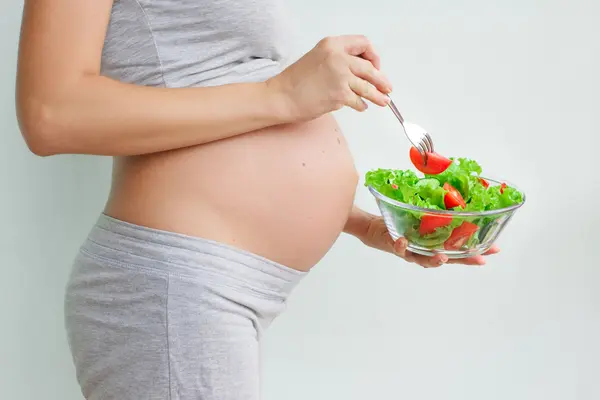
Conscious calorie and protein intake
During pregnancy your energy needs increase by about 200-300 kcal. This does not mean you should snack more, but that you should choose more nutrient-dense foods. Pay attention to an increased protein intake from plant and animal sources, for example nuts, dairy products and well-cooked meat.
-
Check vitamin D status and supplement if needed
Have your vitamin D blood level checked. If you spend little time outdoors or a deficiency is identified, a daily dose of 20 µg vitamin D may be advisable.
-
Dealing with cravings and loss of appetite
For cravings, choose fruit, vegetables, nuts or whole-grain crispbread instead of sweets, as these help stabilise blood sugar. If you have a reduced appetite, eat several small portions, vary seasonings for better flavour and consult a doctor if you experience significant weight loss.
-
Follow food hygiene guidelines
Avoid offal and consume meat and dairy products only well cooked or reheated. Raw milk cheeses carry a risk of listeriosis and undercooked meat can contain toxoplasma – both can harm the unborn child.
-
Ease nausea with proven measures
For nausea, multiple small meals spread over the day often help. Ginger (e.g. 250 mg, 3-4 times daily) can provide relief. It can also be helpful to eat a rusk or a crispbread before getting out of bed in the morning.
-
Make iodine sources and fish consumption practical
In addition to iodine supplementation, try to include marine fish and milk and dairy products in your diet about twice a week. Also use iodised table salt for seasoning to support intake.
-
Drink enough fluids
Drink at least two litres of water, mineral water, herbal teas or diluted juices per day. Good fluid intake is especially important if you vomit frequently.
-
No alcohol, no smoking – avoid passive smoke as well
Completely avoid alcohol and tobacco, because passive smoke can also cause serious, irreversible harm to the child. Avoid rooms where people are smoking.
-
Care for skin and hair
Use mild shampoos and moisturise your breasts and belly with suitable care oils (e.g. jojoba, almond or calendula oil) to help prevent stretch marks. A gentle pinching massage can be supportive. Hair loss after birth is common and usually returns to normal.
- Venous health
Relieve pressure on your leg veins by avoiding high heels, wearing compression stockings, raising your legs regularly, alternating hot and cold showers and gently brushing your legs from the feet towards the heart.