Breastfeeding
10 tips to give your baby the best start in life
- \n
- \n
Breastfeed early and often – this naturally supports your milk supply
\n \n
Breastfeed your newborn in the first weeks ideally 10–12 times within 24 hours. This regularity signals your body to produce milk consistently and provides optimal nutrition for your baby. Use quiet moments to sit comfortably, use pillows and help your baby feel secure while feeding. In the pharmacy you can find helpful nursing pillows, nursing pads and soothing herbal teas to accompany this phase.
\n- \n
- \n
Find the breastfeeding position that works for you
\n \n
Whether cradle hold, cross‑cradle or nursing while lying down – choose positions that relieve your shoulders and allow the baby to reach the breast in a relaxed way. The ideal posture is one where you don't lean over the breast, but the baby comes to you. High‑quality nursing pillows can optimally support your posture.
\n- \n
- \n
Ensure a correct latch
\n \n
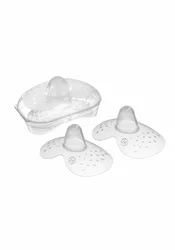
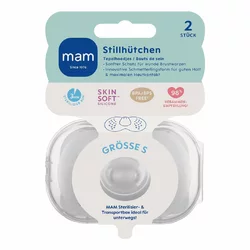
The most common cause of pain is an incorrect latch. Make sure your baby takes in the whole areola, not just the tip of the nipple. For irritation, gentle nipple creams with lanolin, cooling gel pads or nipple shields can help. If pain persists, contact a midwife or lactation consultant.
\n- \n
- \n
Respond early to signs of engorgement
\n \n
Hard, tense or red areas are early warning signs. Offer the breast more often – ideally with the baby's chin toward the affected area – and use warmth before breastfeeding and cold afterwards. Gentle massages can provide additional relief. If you have a fever or severe pain, see a doctor. Warm compresses, cooling pads and massage oils are useful aids.
\n- \n
- \n
Support milk production through relaxed and regular breastfeeding
\n \n
The most important factor for a good milk supply is regular feeding. Nursing teas, a balanced diet and adequate fluid intake can offer additional support – but do not replace breastfeeding. If you feel your baby is not sucking effectively, have tongue and lip ties checked.
\n- \n
- \n
Maintain a varied diet while breastfeeding
\n \n
You may eat almost anything – what matters is that your diet is fresh, colourful and nutrient‑rich. Babies only rarely react to specific foods. If you follow a vegetarian or vegan diet, pay particular attention to vitamin B12 and iron, preferably with medical advice. High‑quality supplements can be helpful.
\n- \n
- \n
Drink enough
\n \n
Keep a glass of water ready at each feeding. Drinking to thirst is often sufficient, but nursing teas or mild herbal infusions can be relaxing. Alcohol is not recommended – calming herbal tea blends offer a safe alternative.
\n- \n
- \n
Use breast pumps purposefully if you want to stay flexible
\n \n
If your baby has trouble sucking, you need relief or you want to store milk, an electric or manual breast pump is ideal. Make sure the flange fits correctly and choose a calm environment for pumping. For on‑the‑go use, practical cool bags, breast milk containers and bottle warmers from the pharmacy are great companions.
\n- \n
- \n
Make night feeding easier
\n \n
Night‑time breastfeeding is normal and supports the natural milk cycle. Keep your baby within reach, use soft lighting and create a relaxed atmosphere. For quieter nights, consider quiet night lights, nursing teas and calming care products for mother and baby.
\n- \n
- \n
Listen to your body
\n \n
Breastfeeding is a learning journey for both mother and baby. If pain, uncertainty or physical issues occur, seek help early: midwives, lactation consultants and medical professionals are there for you. Products such as nipple salves, nursing pads, breast pumps or cooling pads can support healing and make daily life easier.