Heel spur
The 10 ultimate tips for healthy, pain-free heels
- \n
- \n
Temporary rest for the foot
\n \n
Give your foot a rest when you have acute heel pain. Avoid strenuous activities to prevent further irritation of the tendons and to support the healing process.
\n- \n
- \n
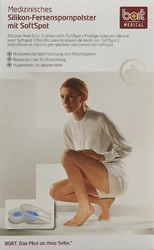
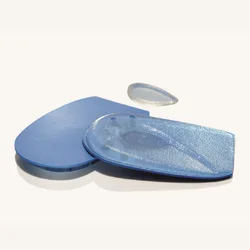
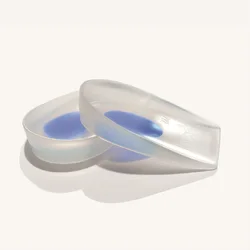
Heel pads to relieve pressure
\n \n
Use heel pads in your shoes. These soft cushions reduce pressure on the painful heel and help the inflammation subside.
\n- \n
- \n
Use custom orthotic insoles
\n \n
In the long term, custom-made orthotic insoles can help support your feet properly and relieve the tendons. Discuss the appropriate treatment with your doctor or orthopaedist.
\n- \n
- \n
Painkillers and anti-inflammatory agents
\n \n
In the acute phase, painkillers or anti-inflammatory ointments can relieve symptoms. Use these medications after consulting your doctor.
\n- \n
- \n
Physical therapies for pain relief
\n \n
Shockwave or ultrasound therapy can be used specifically to relieve pain. These methods promote blood circulation and support healing.
\n- \n
- \n
Targeted physiotherapy
\n \n
Learn specific stretching and strengthening exercises for the foot muscles and tendons. These improve load tolerance and reduce inflammation.
\n- \n
- \n
Surgery only as a last resort
\n \n
Surgery is rarely recommended, only if all other measures fail. Usually part of the plantar fascia is cut. However, this can have side effects such as a flat foot.
\n- \n
- \n
Regular shoe replacement
\n \n
Replace your running shoes regularly. Worn-out shoes do not provide sufficient cushioning and increase the risk of a heel spur.
\n- \n
- \n
Choose suitable, comfortable footwear
\n \n
Wear shoes with a soft, well-fitting footbed and avoid excessively high heels or very flat soles to relieve the heel as much as possible.
\n- \n
- Prefer soft surfaces \n
When exercising or walking, choose soft surfaces such as grass or forest trails. Hard surfaces like asphalt increase pressure on the heel and can cause discomfort.