Ingrown toenail
How to prevent annoying toenail problems – 10 tips
-
Warm water baths for relief
Soak the affected foot three to four times a day for 15 to 20 minutes in warm water with Epsom salts. This time‑tested home remedy effectively helps reduce swelling and ease pain. Make sure the water is comfortably warm but not too hot to avoid skin irritation.
-
Foot soak with apple cider vinegar to reduce inflammation
Mix apple cider vinegar and water in equal parts and soak your foot for 15 to 20 minutes. Apple cider vinegar has natural anti‑inflammatory and antiseptic properties. Rinse your foot thoroughly afterwards and dry it carefully to avoid irritating the skin.
-
Gently lift the nail edge and place cotton or dental floss underneath
After soaking, you can gently lift the edge of the ingrown nail and place a small, clean piece of cotton or dental floss underneath. This encourages the nail to grow above the skin edge rather than into it. Change the cotton or floss daily and maintain sterile handling to prevent infection.
-
Apply an over‑the‑counter antibiotic ointment
Clean the affected area thoroughly with mild soap and water. Then apply a thin layer of antibiotic ointment. For better protection and effect, cover the toe with a sterile dressing. This measure helps prevent inflammation and promotes healing.
-
Tea tree oil as a natural care option
Tea tree oil is antiseptic and antifungal and can help prevent infections. Dilute it with a carrier oil, for example coconut oil, and apply the mixture to the affected area two to three times daily with a cotton swab.
-
Trim nails correctly
Always cut your toenails straight across and avoid rounding the corners, as this can encourage ingrowth. Use a clean, sharp nail clipper and do not cut the nails too short. File any sharp edges afterwards to prevent pressure points.
-
Choose suitable and comfortable footwear
Wear shoes with a sufficiently wide toe box to avoid pressure on the toenails. Tight or pointed shoes and high heels can worsen the condition and should be avoided. Open shoes provide additional space and relief, especially during the healing phase.
-
Avoid pressure on the affected nail
To promote healing, avoid unnecessary pressure on the ingrown nail. Wear loose, breathable socks and open or well‑fitting shoes so the toes are not cramped and the skin is not further irritated.
-
Use toe separators
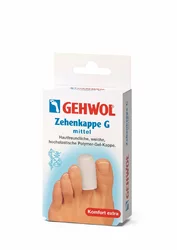
Place a small wedge of foam or silicone between the toes to reduce pressure and prevent rubbing. Secure the wedge with a gauze bandage so that the toe space remains relieved and the skin can heal more effectively.
- See a doctor for severe symptoms
If pain increases, the skin becomes very red, swollen, or pus appears, consult a doctor promptly. Early professional treatment can prevent serious complications such as bone infections.