Heat pad
10 tips for soothing warmth
-
Choose the right filling for your warmth needs
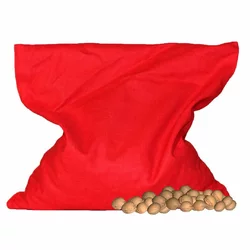
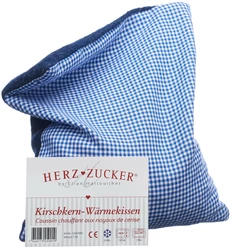
Not every heat pad feels the same – and that is exactly the advantage. Cherry stones offer a slightly massaging texture and a pleasant crackle, ideal for people who prefer a traditional, firm pad. Spelt, wheat or rye pads emit a natural grain scent when warmed and provide even heat, but they are not suitable for those with gluten intolerance. Flaxseed and rapeseed pads are particularly conforming. They are soft, very flexible and warm sensitive body parts especially gently. Grape seeds, on the other hand, smell fruity and are pleasantly light. This way you can find the right model for every application.
-
Consider the desired heat behaviour – from strong to very gentle
Cherry stone pads retain heat longer and provide a firm feel, while rapeseed, flaxseed and currant seeds offer a very soft, even heat release. Think about whether you prefer stronger heat zones (e.g. for neck tension) or a particularly mild warmth (for example for abdominal pain or sensitive skin).
-
Use the correct warming method for maximum safety
Whether microwave or oven – the crucial point is to follow the recommended times and power levels. In the microwave, heat your pad in stages (e.g. 1½ minutes at 600 W and then 15-second intervals). Shake the pad well in between to distribute the heat evenly. For the oven: do not preheat, choose the middle rack and place baking paper underneath. This effectively protects the fabric, filling and seams from overheating.
-
Use heat targeted against tensions
Heat pads promote blood circulation and relax hardened muscles – especially in the shoulder, neck, back or abdominal area. After only a few minutes, tension can noticeably decrease. They are also ideal for menstrual cramps, stress or a long day at the desk. Make sure the temperature is pleasantly warm but not hot – this avoids skin irritation.
-
Benefit from the dual function
Many grain pads are suitable not only for heating but also for cooling. Place your pad well wrapped in the freezer and use it afterwards for bruises, sprains, insect bites or swollen joints. It thus replaces classic cold packs – completely without plastic and chemicals.
-
Use gentle fillings for sensitive body areas
Rapeseed, flaxseed and currant seeds are extremely fine and conform closely to the body’s shape. They are therefore ideal for sensitive areas such as the face, neck, abdomen, lower back or knees. These fillings are also almost silent – perfect for relaxation evenings, meditation or falling asleep.
-
Observe care instructions
Grain pads should generally not be washed, as moisture can damage the natural filling. Store your pad dry and well ventilated so that the grains retain their natural structure. Removable covers can be cleaned separately. This keeps your heat pad hygienic and durable.
-
Choose the right pad size for your body area
The size of your heat pad directly affects how effective the heat is. Small models are perfect for targeted applications such as the neck, shoulders or abdomen, while larger formats (e.g. 45×60 cm) cover the entire back or thighs. The larger the surface, the more evenly the heat is distributed – ideal for people who want to relax all over. Consider before purchasing which body area you will treat most often.
-
Note the differences between classic grain pads and modern infrared models
Traditional grain pads provide heat through heated natural fillings and are excellent for calm, even warming phases. Modern infrared heat pads like Stoov models, on the other hand, work with direct radiant heat, offer several temperature levels (e.g. 38-58 °C) and heat up without a microwave or oven. They are cordless, mobile and ideal for people who prefer immediate, adjustable warmth. Both variants have clear advantages – choose according to lifestyle and application.
-
Use heat pads as an energy-saving alternative to heating
Heat pads provide not only physical comfort but also a practical energy-saving effect. By applying targeted warmth to the body you can lower the room temperature by a few degrees and still remain comfortably warm. Grain pads require only a short heating in the microwave, while electric models provide hours of warmth – significantly more efficient than continuous heating. This way you save on your budget while contributing to sustainable living.