Hearing protection
10 basic rules for safe hearing in everyday life
-
Over-ear hearing protection for intense noise sources
Over-ear protectors fully enclose both ears and are particularly effective at low frequencies. Models with Active Noise Cancelling (ANC) reduce loud noises without masking normal conversations. They are ideal for long shifts or noisy environments.
-
Headband protectors for comfort and flexibility
Headband-style protectors are lightweight and easily combined with other protective gear. The plugs sit outside the ear canal and can be worn around the neck when not in use. This makes them easy to integrate into the working day.
-
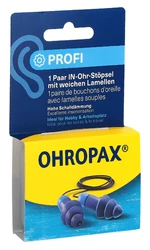
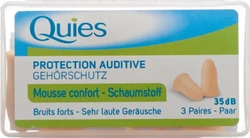
Use versatile earplugs
Earplugs made of foam, silicone, wax or plastic are flexible in use. Foam versions need to be shaped before insertion, while flanged plugs are preformed and can be reused.
-
Custom earmoulds for continuous use
In extremely noisy settings, custom-made ear protection that perfectly matches the shape of the ear is recommended. They attenuate noise while allowing conversations and important sounds to remain audible – ideal for industrial workplaces or musicians.
-
Follow the user instructions carefully
Maximum protection is achieved only when hearing protection is fitted correctly. Read the manufacturer’s instructions carefully before using the product for the first time.
-
Keep earplugs clean
Daily use is unproblematic if the plugs are cleaned regularly. Clean earplugs after each use with lukewarm water, mild soap or specialised cleaning solutions to prevent infections.
-
Extended wear for lasting protection
For optimal effectiveness, hearing protection should be worn for the majority of the noise exposure. Briefly putting them on is not enough to significantly reduce the risk of hearing damage.
-
Storage in hygienic cases
Always store your earplugs in a closed case. This keeps them clean and undamaged. It also prevents dirt particles from irritating or injuring the ear canal.
-
Correct use of disposable plugs
Roll disposable earplugs before inserting, pull the ear slightly upwards and insert the plug deep into the ear canal. The plug should not be visible from the outside and should fit securely.
- Choose the right protection for specific activities
Not every hearing protector is suitable for every situation. For swimming, diving or motorcycling you need specialised plugs that reliably keep out water or wind without compromising safety.