Osteoarthritis
10 key tips to keep osteoarthritis at bay
-
Treat misalignments early
If you notice misalignments in your joints, have them evaluated by a doctor in good time. Orthopaedic insoles or, where appropriate, surgical corrections can prevent overload and further cartilage damage.
-
Pay attention to correct movement patterns
In work and everyday life maintain healthy posture and avoid one-sided or non‑physiological movements to protect your joints from overuse.
-
Incorporate exercise deliberately
Stay active in daily life and regularly train your joints with joint‑protecting exercises such as swimming, cycling or Nordic walking. Avoid sudden movements that could excessively strain the joints.
-
Prefer an anti‑inflammatory diet
Eat a varied, fresh diet. Plenty of vegetables and fruit, high‑quality plant oils and sea fish support joint health. At the same time you should limit consumption of meat, sugar and heavily processed foods to reduce inflammatory processes.
-
Relieve your joints during heavy tasks
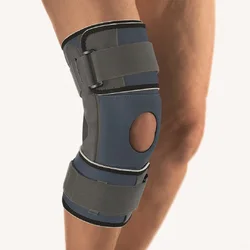
Avoid heavy physical work and especially activities that stress the knees. If needed, use walking aids or braces to support and relieve your joints in a targeted way.
-
Use cold and heat deliberately
For inflamed joints, cold applications help to reduce swelling. Heat, on the other hand, is useful for muscle tension around the joint area and promotes circulation.
-
Try alternative cooling methods
For pain, cooling compresses with quark, cabbage or healing clay can help reduce swelling and inflammation. These home remedies can alleviate complaints alongside medical treatment.
-
Seek medical advice early
Have your joints examined regularly by an orthopaedic specialist, especially if symptoms increase. Early diagnosis allows effective treatment and can slow the course of osteoarthritis.
-
Use physiotherapy and physical treatments
Therapeutic measures such as physiotherapy or physical applications can support joint function, relieve pain and maintain mobility – particularly in the early stages of osteoarthritis.
- Use medications purposefully and watch for side effects
Non‑steroidal anti‑inflammatory drugs (NSAIDs) can relieve pain and inflammation but do not cure osteoarthritis. Use these medications only on medical advice and be aware of possible side effects to protect your joints as best as possible.