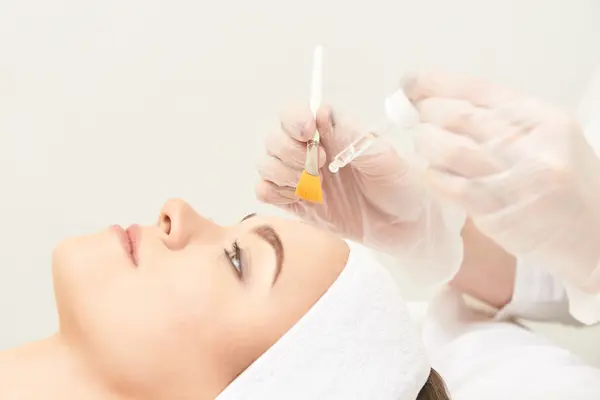
Fruit Acid Peels
10 acid beauty hacks for smoother, brighter skin
-
Choose the right peel for your skin goal
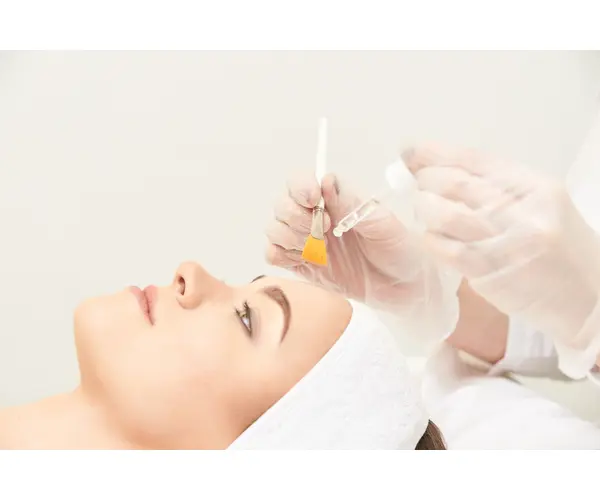
Fruit acid peels are ideal if you struggle with blemishes, rough patches, fine lines or pigmentation. AHAs like glycolic acid loosen hardened skin flakes, promote cell renewal and help the complexion glow. When in doubt, ask for advice at a pharmacy or drugstore — they often offer varying concentrations for beginners and experienced users.
-
Start with a gentle routine to avoid overwhelming your skin
Even though stronger peels may seem tempting, your skin needs time to get used to fruit acids. Start with one application every one to two weeks and choose concentrations in the 3-10 % range to begin with. This way you benefit from the effect without risking irritation.
-
Always perform a patch test
Before using the peel on your face, test it behind the ear. If your skin does not show severe reactions within the next 48 hours, it’s ready. This small precaution protects your skin from unnecessary irritation and builds confidence in the product’s tolerance.
-
Apply the peel in the evening so the skin can regenerate overnight
The skin may be slightly red after application — this is normal. Nighttime is ideal because the skin uses the rest phase to renew itself and compensate for minor irritations. You’ll wake up with fresher, smoother skin.
-
Cleanse the skin thoroughly before applying fruit acid
A gentle cleanser removes dirt, make-up and excess sebum — and prepares the skin optimally. On clean skin the acids work more evenly and deeper. Many pharmacies offer matching, pH-balanced cleansing products for this purpose.
-
Follow the product instructions strictly
Whether the peel should be rinsed off or left on the skin depends on the formulation. Some products act within minutes, others stay on overnight. If you are a beginner, slightly reducing the application time prevents irritation while maintaining results.
-
Use a rich moisturizer after the peel
Fruit acids temporarily lower the skin’s pH — this can lead to moisture loss. A soothing cream replenishes reserves, strengthens the barrier and prevents tightness. Formulas with hyaluronic acid, ceramides or panthenol are particularly well tolerated.
-
Protect your skin daily with a high sun protection factor
After a fruit acid peel the skin is especially sensitive to light. An SPF of at least 30, preferably 50, is essential — even on cloudy days. You will preserve your results and prevent pigmentation.
-
Avoid certain areas and skin conditions
The eye area, lips, open wounds and freshly shaved skin are off-limits — these zones are too sensitive. Direct sun exposure, tanning beds or additional irritating products (e.g. retinol) should also be paused during the peeling phase. This keeps your skin protected and the effect controlled.
-
Use the seasons to your advantage — especially autumn and winter
Since skin is more light-sensitive after a peel, the darker seasons are ideal for regular applications. In autumn and winter many users achieve the best results: refined pores, more glow and a more even complexion. It’s a perfect time to get to know new fruit acid products.