Salicylic acid
10 deep-cleansing tips that really keep your pores clear
-
Start slowly so you don't overwhelm your skin
It's best to begin with two to three applications per week so your skin can acclimate to the active ingredient. Especially sensitive or dry skin benefits from a gentle introduction. This helps prevent irritation and allows you to build a well-tolerated routine step by step.
-
Choose the right concentration for your skin type
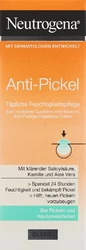
For starters, 0.5-1 % salicylic acid is recommended, as these concentrations are particularly mild. For stubborn blemishes or clogged pores, 2 % can be ideal. Higher strengths should be handled by professionals — for more severe skin issues, opt for pharmacy products and dermatological advice.
-
Always apply salicylic acid to cleansed skin
Only clean, dry skin can absorb the ingredient optimally. Apply toners with a cotton pad, serums and creams directly with your fingertips. Leave-on products remain on the skin, while cleansers should be rinsed off after a short exposure time — for an evenly clear complexion.
-
Be aware of possible initial reactions
Mild dryness, tightness or occasional breakouts are not uncommon at first. This so-called initial worsening often indicates that the ingredient is working. Reduce the frequency if needed — your skin sometimes needs a little time to adjust to a new routine.
-
Always protect your skin during the day with sunscreen
Salicylic acid can make the skin more light-sensitive. A daily sun protection of at least SPF 30 is therefore essential. This not only prevents UV damage but also pigmentation and post-acne marks — a crucial step for visibly more even skin.
-
Combine salicylic acid smartly with other actives
Combined with niacinamide, zinc or hyaluronic acid, salicylic acid can perform even better. These actives soothe the skin, regulate sebum or provide intense hydration. That way your skin stays balanced even if you exfoliate regularly.
-
Be cautious with retinol and vitamin C
These potent actives should not be used at the same time as salicylic acid. Instead, use a sensible time-of-day split: vitamin C in the morning for antioxidant protection, salicylic acid in the evening for pore cleansing. Retinol should also be used only at night — and only once your skin is well adapted.
-
Use salicylic acid on body areas with thickened skin
Whether it's keratosis pilaris, back acne or rough elbows: body care with salicylic acid can remove dead skin flakes and reduce redness. A body lotion or shower gel with BHA provides smoother, more supple skin — ideal for those prone to sandpaper-like skin or clogged pores.
-
Caring for your scalp with salicylic acid products
If you suffer from dandruff, oily scalp or build-up, a shampoo with salicylic acid can work wonders. It dissolves excess flakes, clears the pores and helps rebalance the microbiome. For stubborn scalp issues, a pharmacy option is worth considering.
-
For corns or calluses, use dedicated BHA products
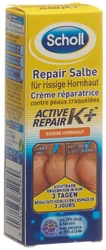
Salicylic acid can gently dissolve even hardened areas of skin. Patches, foot masks or medical creams with higher concentrations offer quick relief. Have persistent or painful areas checked by a doctor beforehand — this ensures you choose the right product safely.