First Aid
10 tips that can save lives
-
Choose the kit first according to its intended use
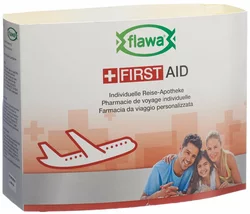
Make sure the equipment matches the field of use. A home, car, hiking or hunting kit differs significantly. Consider the typical hazards (e.g. major blood loss when hunting or blisters and abrasions when mountaineering) and adapt the basic kit accordingly.
-
Basic equipment that should never be missing
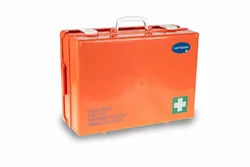
Include a pressure bandage, small dressing packs, plasters, absorbent compresses, a survival blanket, a tourniquet, disposable gloves, scissors and gauze (optionally with haemostatics). Pack everything in a compact, waterproof bag so the kit is ready for use straight away.
-
Space for life-saving small items
Resuscitation masks/shields are space-saving, prevent mouth-to-mouth contact and are very useful during rescue breathing. They are often available as keychain versions. Also remember disposable gloves and small sterile containers for quick and hygienic care.
-
Packing light for outdoor activities
On a hike every gram counts. Decant disinfectant and sunscreen into sample-sized containers and take only a few plasters. Keep a pair of scissors, though — they are indispensable in an emergency, for example to cut clothing.
-
Personalise your kit according to your needs
If you have known conditions (allergies, asthma, high blood pressure), always carry your own medication. For children, a cuddly toy and child-friendly plasters can be very helpful psychologically. Mountaineers should carry blister plasters, splints and a signalling whistle.
-
Organisation makes acting under stress easier
Choose an emergency bag with several inner compartments, a belt loop or carabiner and, if needed, a wall mount. An inventory list or labels help to quickly find the right item in poor visibility or during panic.
-
Protect the contents – pay attention to material and closure
The bag should be robust, water-repellent and securely closable. A rubber seal prevents dust and liquids from entering. This keeps sterile materials truly sterile and allows you to use the kit safely on the go.
-
Stop bleeding
Cover the wound with a sterile dressing. Wrap a bandage firmly to secure it. If needed, place a second pressure pad and elevate the injured area. If sterile material is not available, apply direct pressure with a clean cloth.
-
For airway obstruction
For complete obstruction perform the Heimlich manoeuvre: stand behind the person, place your fist between the lower edge of the sternum and the navel. Push forcefully inwards and upwards. If you cannot get help, perform the manoeuvre on yourself or use the edge of a chair to generate pressure.
- Treat burns and frostbite correctly
Cool burns immediately for at least ten minutes with running water. Then apply a sterile dressing or burn cloth. Call emergency services for severe burns. Frostbite should be warmed slowly with body heat (e.g. between the thighs), as rapid warming can be dangerous.