First aid kit
10 tips for a well-prepared emergency kit
-
Store the first aid kit in a fixed, easily accessible place
It is only useful if it can be found quickly in an emergency. Place it in a clearly defined and easily accessible location, for example at home, in the car or at the workplace.
-
Check contents and expiry dates regularly
It pays to take a look inside the first aid kit at regular intervals. A contents list helps you keep track of what supplies are available and which may already have been used. Also check expiry dates and replenish any missing or expired items in good time.
-
Choose a first aid kit that matches your activities
Different locations and activities may call for different items. On hikes, for example, blister plasters, a survival blanket or a signal whistle can be useful, while on bike trips materials for treating grazes or for immobilisation may be more important.
-
Use a ready-made kit as a practical base
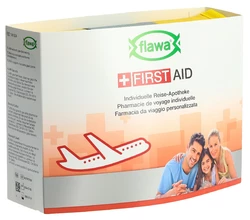
Buying a pre-assembled first aid kit can make getting started easier. Such kits generally contain a solid basic supply and are ready to use. You can then adapt the contents to your personal needs if required.
-
Choose a robust, well-sealing pouch
The material of the emergency pouch should be durable and, if possible, water-repellent. A sturdy closure protects the contents from dust, moisture and other external influences. An additional seal can further improve this protection.
-
Use practical attachment options for on-the-go
An integrated belt loop or carabiner can be very practical when travelling. This allows you to attach the first aid kit to your belt or backpack so it is within easy reach during hikes or outings.
-
For outdoor kits, pay attention to keeping the weight as low as possible
On longer hikes or tours, every gram in your pack counts. It may therefore make sense to choose small or lightweight versions of products. Sunscreen or disinfectant is often available in travel sizes.
-
Don't skip important tools, though
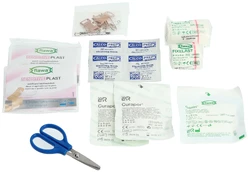
Despite saving weight, basic tools such as scissors should not be missing. In certain situations it can be helpful to quickly cut clothing or to adapt bandages individually.
-
Add compact aids to the kit
Resuscitation masks are an example of especially space-saving additions. They can be used to assist ventilation and create a hygienic barrier between the first aider and the person affected.
- Also include comforting items for children
In families, a small cuddly toy in the first aid kit can be helpful. A familiar object can give children a sense of security in unfamiliar or stressful situations and make initial care easier.