Disinfection
10 tips to immediately slow down invisible germs in everyday life
-
Rely on correct hand disinfection – the most important protection in everyday life
Hygienic hand disinfection is one of the most effective measures against pathogens. Use 3-5 ml of an alcohol-based, certified hand disinfectant and rub your hands thoroughly for at least 30 seconds – including fingertips and thumbs. Such products are skin-friendly, fast-acting and available at pharmacies.
-
Always choose the appropriate disinfectant for your purpose
Disinfection is not all the same – there are different products for hands, skin, surfaces, instruments and even laundry. Always check the stated spectrum of activity: bactericidal, levurocidal, limited virucidal.
-
Use surface disinfection only selectively – not everywhere
At home, thorough cleaning is often sufficient, but surface disinfection is reasonable in cases of infection, for immunocompromised persons or for norovirus incidents. Focus on hand-contact areas such as door handles, taps or the toilet flush button.
-
Use ready-to-use disinfectant wipes for maximum convenience
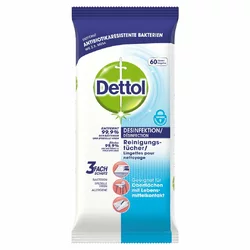
Disinfectant wipes from a dispenser tub are simple, safe and ready to use immediately. Choose small pack sizes so wipes do not dry out – and close the tub immediately after taking one. Ideal for on the go, in the bathroom and kitchen or in the car.
-
Pay attention to the correct spectrum of activity – especially for viruses
For private households, a product that is bactericidal, levurocidal and limited virucidal is usually required. For viral infections this indication is crucial. Product labels provide reliable guidance.
-
Check the material compatibility of your products
Many surfaces – e.g. touchscreens, lacquered wood or plastics – are sensitive to certain active substances. Glass and stainless steel are unproblematic. Before using a new disinfectant, read the manufacturer's instructions carefully.
-
Always work with good preparation and adequate ventilation
Wear protective gloves, ventilate during use and avoid spray mist. Turn off electronic devices before disinfecting them and clean the surface first, because many products only act reliably on clean surfaces.
-
Ensure the correct wiping technique
Surfaces must be fully wetted – not just slightly damp. Wipe with light pressure and allow the surface to dry naturally without re-wiping. For larger areas, overlapping movements in a '8' shape help. Reusable cloths should be washed at at least 60 °C with a standard detergent.
-
Avoid dangerous combinations and DIY mixtures
Never mix disinfectants with cleaners or vinegar – it can produce toxic fumes or cause loss of efficacy. Making your own disinfectants is also not recommended: only tested, certified products provide proven, reliable germ reduction.
-
Store your products safely and observe their shelf life
Disinfectants should be stored cool, dry and protected from light – always out of reach of children, pets and ignition sources. Note the opening date of wipes or bottles, as many products are only stable for a limited time after opening. Use these indications to protect yourself and your family optimally.