Choline
10 tips to optimize your choline intake
-
Reach for choline-rich foods regularly
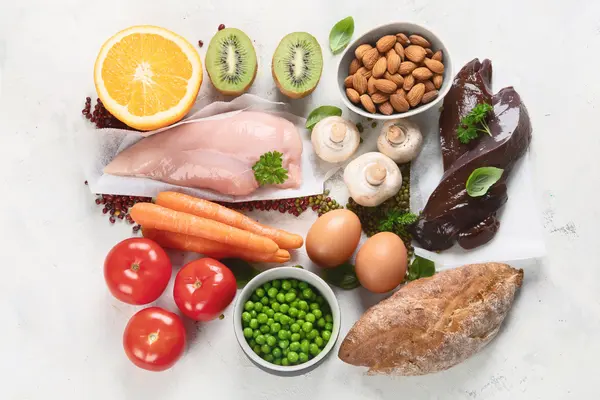
Top natural sources include eggs, liver, fish, poultry and soybeans – this helps you meet your needs naturally.
-
Combine choline with other nutrients
Plan meals that include choline together with omega-3 fatty acids, folate and B vitamins. This combination supports the brain and the liver particularly well.
-
Use plant-based alternatives purposefully
If you follow a vegetarian or vegan diet, add quinoa, legumes, almonds and sunflower seeds to your meal plan.
-
Choose healthy snacks
A handful of nuts or sunflower seeds not only provides energy but also contributes to regular choline intake.
-
Observe the recommended daily intake
Women need about 425 mg and men around 550 mg of choline per day. That corresponds, for example, to two eggs and a portion of legumes.
-
Supplement choline responsibly
If diet is insufficient, you can use supplements with well‑absorbed forms of choline (e.g. citicoline or alpha‑GPC). However, avoid overdosing.
-
Maintain a healthy lifestyle
Regular exercise, a balanced diet and stress reduction support metabolism and promote the optimal effect of choline in the body.
-
Start the day with choline-rich foods
An omelette with broccoli or spinach is an ideal way to start the day and boost your choline intake early in the morning.
-
Cook foods gently
Cook choline-rich foods like eggs or fish only as long as necessary. Gentle cooking or steaming preserves choline content better than heavy frying or long baking.
-
Adjust your intake for specific life stages
Needs increase during pregnancy, breastfeeding, periods of stress or high physical demand. If in doubt, seek medical advice.