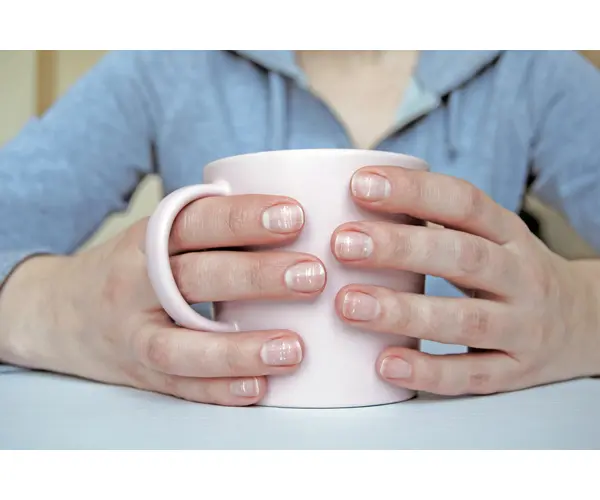
Brittle fingernails
10 tips for nails full of strength and elasticity
-
Moisturise your nails daily
Dry nails break more easily – so rich care is essential. Reach for a nourishing nail cream or a quality oil pen in the morning and evening and gently massage the active ingredients in. This strengthens the nail plate, protects the cuticle and stimulates blood circulation.
-
Protect your hands from aggressive cleaning agents
Household cleaners, hot dishwater or gardening strip nails of important lipids. Always wear gloves when your hands may come into contact with chemicals. A re-lipidising hand cream after each cleaning also supports the natural protective barrier.
-
File your nails correctly – never cut or nip
To avoid splits, file only. Use a good-quality glass file and always file from the outside toward the middle. This keeps the nail plate smooth and resistant. A gentle buffer helps even out fine ridges without stressing the surface.
-
Keep brittle nails short temporarily
Short nails tear less easily and can regenerate better. Especially for soft or splintering nails, a shorter shape provides more stability. Once your nails are firmer again, you can gradually let them grow longer.
-
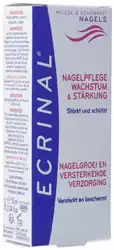
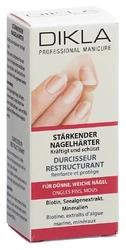
Use nourishing specialised products
Nail hardeners, mineral-based polishes and medical treatment lacquers can effectively improve the structure of weakened nails. They form a protective film over the plate, supply important building blocks and help prevent renewed splitting. For very weak nails, consider products containing silica or sulphur compounds.
-
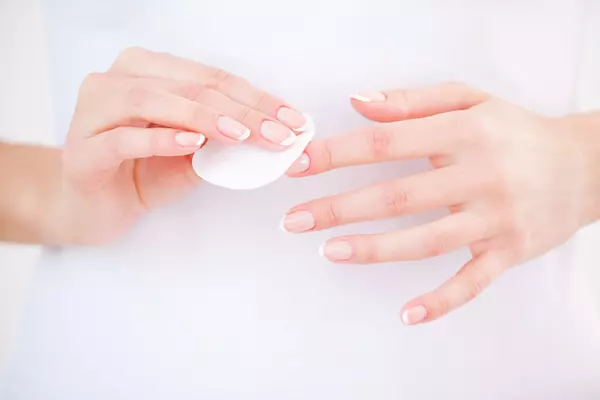
Give your nails regular breaks from polish
Coloured lacquers and removers – especially acetone-based ones – dry nails out significantly. Occasionally give your nails a care break so the plate can recover. Use this time for oil baths, cream masks or nourishing nail serums.
-
Focus on a nutrient-rich diet
Your nail health starts from within. Biotin, vitamins A and C, folic acid, iron, zinc, magnesium and calcium contribute to a firm, elastic nail structure. Include foods such as spinach, oats, eggs, nuts, legumes or tomatoes – or have your levels checked by a doctor if you suspect a deficiency.
-
Clean your nails particularly gently
Use a mild soap and a soft nail brush to remove dirt. For the underside of the nail, wooden or plastic sticks are preferable to metal files, which can cause fine cracks. Gentle cleaning protects against chipping in the long term.
-
Treat your cuticles mindfully and gently
The cuticle protects the nail root – therefore it should never be cut, but only pushed back and cared for. A specific cuticle oil or a mild scrub can keep the fine skin cells soft and help prevent inflammation.
-
Keep an eye on changes to your nails
If your nails continue to break despite intensive care, there may be a medical reason – from vitamin deficiency to thyroid issues or fungal infections. In such cases, do not hesitate to seek medical advice. This way you can identify the cause and the appropriate treatment.