Body odour
Stay fresh with these 10 tips — guaranteed
- \n
- \n
Proper hygiene is decisive
\n \n
It’s best to shower two to three times a week with a mild antibacterial soap to remove sweat and bacteria without damaging the skin’s natural acidic protective layer. Body areas that sweat heavily, such as the underarms or feet, can also be cleaned daily.
\n- \n
- \n
Prefer cool showers
\n \n
Avoid very hot showers, as high temperatures can open the pores and stimulate sweat production. Lukewarm or cool water helps reduce sweating and provides a fresh skin feeling.
\n- \n
- \n
Choose the right deodorant
\n \n
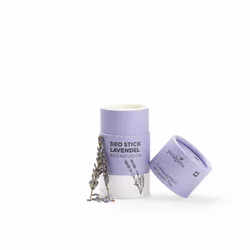
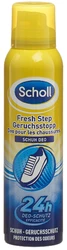
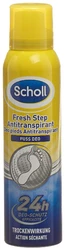
Use deodorants with the label „Antiperspirant“, as they suppress sweat production rather than merely masking the odour. This effectively tackles the root of the problem. Also look for gentle ingredients, especially if you have sensitive skin.
\n- \n
- \n
Wash clothing regularly
\n \n
Wear clothing, especially underwear and shirts, as freshly washed as possible. Rule of thumb: the closer a garment is to the body, the more often it should be cleaned. Worn clothes collect sweat residues that promote bacteria and unpleasant smells.
\n- \n
- \n
Choose breathable, lightweight clothing
\n \n
Opt for natural fibres like cotton or linen instead of synthetic fabrics such as polyester. These allow air to circulate, absorb moisture and prevent the build‑up of sweat and bacteria on the skin.
\n- \n
- \n
Be active regularly and sweat
\n \n
Physical activity trains the body to cope with heat, so everyday sweat production often becomes more balanced. Shower right after exercising and put on fresh clothes to minimise bacterial growth.
\n- \n
- \n
Drink enough water
\n \n
Adequate fluid intake dilutes sweat, making it less concentrated and therefore less odorous. The goal should be 1.5 bis 2 Liter of water per day, especially on warm days or during physical activity.
\n- \n
- \n
Pay attention to a balanced diet
\n \n
Avoid very spicy, fatty or heavily seasoned foods, as these can increase sweat production and worsen odour. Foods that help promote a more neutral body odour include fresh fruit and vegetables, yoghurt, and zinc‑rich foods such as nuts and whole grains.
\n- \n
- \n
Be aware of body and breath odours from certain foods
\n \n
Garlic, onions, curry, chilli and red meat can have a lasting effect on body odour because their breakdown products are released through the skin and breath.
\n- \n
- Keep your skin well cared for and moisturised \n
After showering, it’s important to use a moisturising lotion. This strengthens the skin barrier and prevents dryness, which can promote bacterial growth. Prefer skincare products with natural, dermatologically tested ingredients.