Bad breath
10 tips for fresh breath
-
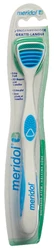
Clean your tongue daily
Most of the odor-causing bacteria sit far back on the tongue surface. Daily use of a tongue scraper or tongue brush reliably removes coatings and immediately freshens breath. Complementary tongue gels additionally neutralize sulfur compounds – a real boost for your oral hygiene.
-
Support your oral flora with thorough tooth and interdental cleaning
Brushing your teeth twice a day alone is often not enough. At least once a day you should use dental floss or interdental brushes to remove hidden food debris. Products containing xylitol or antibacterial fluoride help maintain the balance of the oral flora and effectively reduce bad breath.
-
Have regular professional dental cleanings
A professional cleaning reaches areas that even perfect home care does not fully clean. Harmful deposits, tartar and bacterial niches that promote bad breath are reliably removed. Dentists recommend at least two appointments a year – an important investment in long‑lasting fresh breath.
-
Keep your mouth moist
Drink enough water and avoid long periods without fluids. If you tend to have a dry mouth, moisturizing mouth sprays, xylitol chewing gum or special saliva substitutes help retain moisture and inhibit bacterial activity.
-
Use antibacterial mouthwashes selectively and effectively
Mouthwashes containing chlorhexidine, zinc, sage or tea tree oil neutralize odor-causing molecules and inhibit bacteria. Zinc solutions in particular have scientifically proven efficacy against halitosis. Using them in courses is ideal so as not to irritate the oral flora.
-
Pay attention to the hygiene of your toothbrush and care tools
Toothbrushes, interdental brushes and tongue scrapers should be disinfected regularly – e.g. with UV devices, antibacterial sprays or hot water. Replace your toothbrush at the latest every 8–12 weeks, since older brushes become real bacteria magnets.
-
Optimize your diet for fresh breath
Strong-smelling foods such as garlic, onions, alcohol and coffee promote bad breath. Fresh herbs (parsley, mint, thyme), ginger, apples or lemons, by contrast, have a neutralizing effect. Simple dietary adjustments can noticeably improve your breath profile.
-
Encourage saliva flow
Saliva has antibacterial effects. Fiber-rich foods (e.g. apples, carrots), sugar-free chewing gum or mild lozenges stimulate its production. Products containing xylitol are particularly helpful because they have been shown to reduce the number of harmful bacteria.
-
Care for and clean dentures thoroughly
Prostheses, nightguards and aligners provide ideal surfaces for odor-causing germs. Use special cleaning tablets, antibacterial baths and brushes to clean dental appliances daily. Regular night-time cleaning prevents unpleasant odours in the long term.
-
Have medical causes investigated if bad breath persists
If bad breath persists despite optimal oral hygiene, gastrointestinal issues, sinus problems, diabetes or inflammations can also be behind it. A medical check-up or a professional breath analysis provides clarity and opens the way for targeted treatments.