Beta-carotene
10 tips for a colourful diet
-
Start with the right portion size
Make sure to plan your daily intake of beta-carotene from natural foods sensibly. An amount of up to about 15 mg of beta-carotene can fit within a balanced diet – this is roughly equivalent to a medium-sized carrot, for example.
-
Use beta-carotene deliberately as a plant-based alternative
If you eat few or no animal products, beta-carotene can be a practical way to complement your vitamin A supply. It is converted in the body as needed and can be obtained from a variety of plant foods.
-
Plan deliberately colourful meals
Be sure to include yellow, orange and red foods regularly in your meal plan. Carrots, peppers, apricots or mangoes provide beta-carotene, while green vegetables such as spinach or kale also contain valuable amounts, even if it’s not obvious at first glance.
-
Combine beta-carotene with quality fats
Prepare these foods with a little fat, for example a drizzle of cold-pressed oil or some avocado. Because beta-carotene is fat-soluble, this combination can support absorption in the body and also enhance the flavour of your meal.
-
Pay attention to proper preparation
Chop, grate or purée fruits and vegetables as finely as possible. This breaks down plant cell structures and makes the beta-carotene more accessible to the body.
-
Opt for smoothies and soups
If you want to further optimise absorption, puréed foods such as smoothies or creamy soups can be useful. In this form, beta-carotene is often more readily available than in coarsely chopped ingredients.
-
Use carrots flexibly in everyday cooking
Include carrots not only as a snack but also in hot dishes, salads or even baked goods. This way you regularly benefit from their high nutrient content without it becoming monotonous.
-
Combine cleverly with other foods
Complement beta-carotene-rich ingredients with nuts, seeds or fermented foods such as sauerkraut. These combinations can make your meals not only more varied but also more interesting nutritionally.
-
Keep an eye on supplements
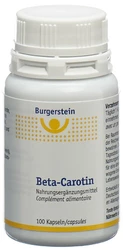
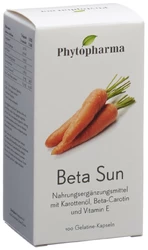
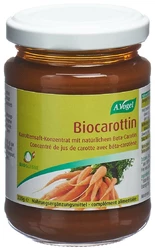
If you take beta-carotene in supplement form, pay attention to moderate amounts. Common supplements are well below the intake from foods and can be used selectively.
- Watch for possible changes in skin colour
A very high intake can lead to a slightly yellowish or orange skin tone. This effect is usually harmless and typically fades when you reduce your intake.