Atherosclerosis
10 practical ways to consciously strengthen your blood vessels
-
Plan a fibre‑rich diet
Choose wholegrain products, legumes, vegetables and fruit to increase your daily fibre intake. Oat porridge for breakfast, wholegrain bread or lentil soups are simple examples. They can help support healthy vascular function.
-
Incorporate omega‑3 fatty acids deliberately
Nuts such as walnuts, flaxseeds or oily fish like salmon provide valuable omega‑3 fatty acids. A tablespoon of flaxseeds in your muesli or two fish meals per week can meaningfully contribute to intake.
-
Use antioxidant plant compounds
Vitamin C from fruit and vegetables, as well as plant secondary compounds like resveratrol from grapes, are components of a balanced diet. Their potential effects on vascular health are being investigated in studies.
-
Include garlic in your diet
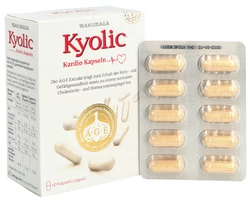
Mature garlic, such as black garlic, can be used regularly in salads, dressings or warm dishes.
-
Walking training for symptoms
If walking causes pain, as can happen with peripheral arterial disease, a tailored walking programme can be useful. Start with short distances and gradually increase duration and pace.
-
Regularly include endurance training
Aim for 150 to 300 minutes of moderate activity per week. Practical options are brisk walking, cycling or swimming – several short sessions add up effectively.
-
Reduce stress and build in relaxation
Use techniques such as meditation, progressive muscle relaxation or autogenic training. Regular relaxation supports wellbeing and can help balance everyday strain.
-
Keep risk factors in view
Watch for high blood pressure, diabetes and chronic inflammatory conditions. Regular medical check‑ups can help detect and treat changes early.
-
Limit sugar and processed foods
Sweetened drinks, ready‑made snacks or heavily processed baked goods should be consumed only occasionally. Home‑prepared meals with fresh ingredients deliver natural nutrients and support healthy blood lipid levels.
- Reduce saturated fats
Avoid processed meats, frying fats and highly processed foods. Instead use vegetable oils such as rapeseed or olive oil to reduce intake of hardened fats.