Anemia
10 tips to effectively combat anemia
-
Always have the cause of your anemia medically investigated
Only a thorough examination can determine whether chronic diseases or other factors are causing the low blood count. Targeted treatment of the underlying cause is essential for successful therapy.
- Consider your individual risk group
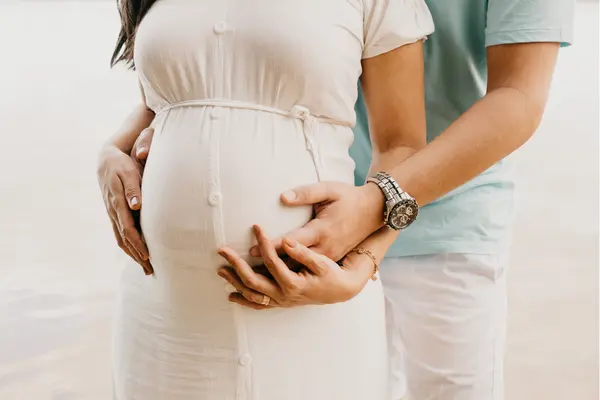
Certain life stages and health situations increase the risk of anemia – these include pregnancy, breastfeeding, growth phases in children, older age and chronic illnesses. Adjust your care specifically to these needs.
- Avoid taking certain minerals and medications at the same time as iron supplements
Take iron tablets at least two hours before or after taking preparations containing calcium, magnesium, zinc, antacids or certain antibiotics. These can significantly impair iron absorption.
- Avoid foods that block absorption when taking iron
Dairy products, coffee, black tea, soy and fibre-rich foods bind iron in the gut and thus reduce absorption. Do not consume these at the same time as your iron supplement.
- Complement your diet specifically with vitamin B12
Vitamin B12 is essential for blood formation and is found mainly in animal foods. With a vegan diet or limited consumption of animal products, targeted supplementation is recommended.
- Folic acid should not be missing from your diet
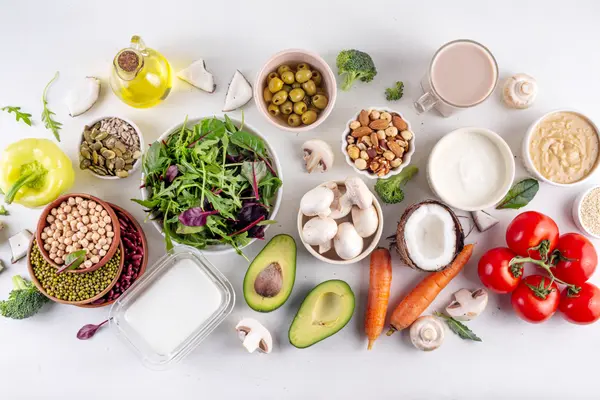
This important vitamin supports the production of red blood cells. Excellent sources are green leafy vegetables, legumes, wholegrain products and liver. However, take care to avoid long cooking times or strong exposure to light so that the vitamin is not lost.
- Ensure a combination of iron-rich foods and vitamin C
Vitamin C sustainably increases the absorption of iron, especially from plant sources. For example, combine whole grains or legumes with fresh fruit or raw vegetables such as bell pepper.
- Rely on well-absorbed heme iron
Animal products such as red meat, poultry, eggs and fish contain heme iron, which your body can absorb particularly well. A balanced diet including these foods can thus sustainably improve iron supply.
- Use plant herbs as a supportive measure
Plants such as nettle, dandelion or blackberry leaves do not replace iron but can complement therapy and support the body gently.
- Watch for critical haemoglobin values and act in time
Values below 13 g/dL (men) or 12 g/dL (women) are likely to indicate anemia. If the value falls below 7.0 g/dL the risk of serious complications increases. In such cases, rapid and intensive treatment is required.