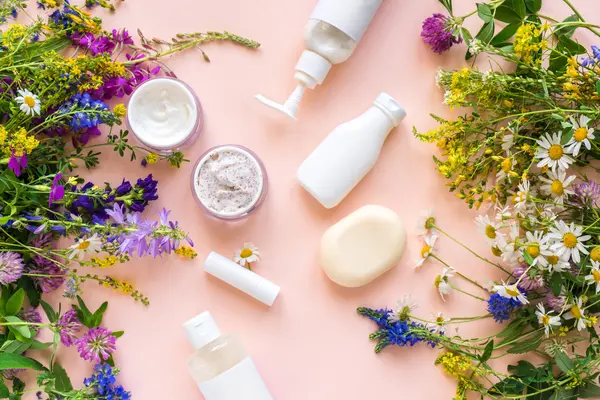
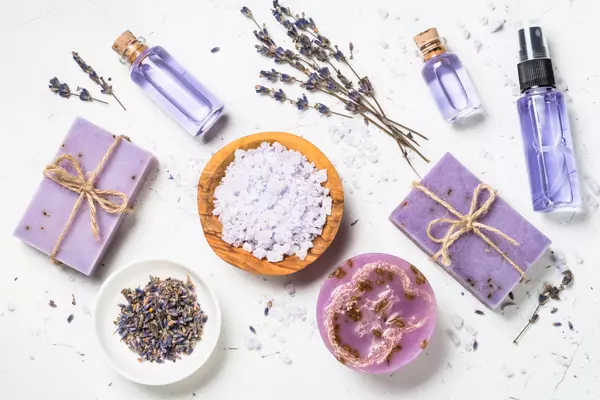
Natural cosmetics
10 ways to a pure, skin-friendly routine
-
Transition your routine gradually
Replace conventional products step by step so your skin can get used to the new active ingredients. Start with products that are applied over large areas – e.g. shower gel, body lotion or body oil.
-
Give your skin time to adjust
During the transition phase the skin often reacts more sensitively because silicones and paraffins are removed. After 2–4 weeks it will typically show a more stable, balanced complexion.
-
Use facial oils and serums selectively
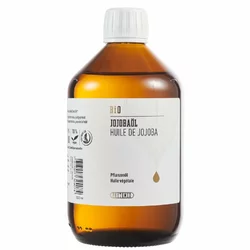
At first, mix a few drops of a natural cosmetic oil into your usual cream to test tolerance. This lets the skin benefit from plant oils without being overwhelmed.
-
Choose minimalist formulations for body care
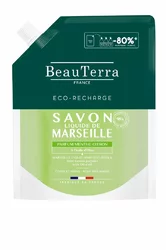
Solid shower bars, natural soaps and simple body oils supply the skin with nutrients — without synthetic fragrances or preservatives. This protects the skin barrier and reduces packaging waste.
-
Pick a natural deodorant with effective ingredients
Deodorants containing baking soda or minerals reliably combat odour and are a good alternative to aluminium-containing antiperspirants. For sensitive skin, short INCI lists are worth checking.
-
Look for high-quality plant pigments in make-up
Modern natural cosmetics provide long-lasting, highly pigmented formulations — especially for lip and complexion products. Clean-beauty brands show that naturalness and performance are not mutually exclusive.
-
Support your hair during the transition
Natural shampoos work without silicones and with mild surfactants. It takes several weeks for residues to wash out. Use lightweight hair oils or solid conditioners during this phase.
-
Avoid greenwashing by choosing certified products
Labels such as COSMOS, BDIH or NATRUE confirm genuine natural cosmetic standards. It's also worth looking at brand philosophy, ingredients and manufacturer transparency.
-
Store natural cosmetics correctly
Keep products cool, protected from light and well closed to preserve shelf life and effectiveness. Oils and water-free products in particular benefit from proper storage.
-
Always patch-test new formulations
Even natural ingredients can cause irritation. A patch test on the forearm helps check tolerance before integrating a new product into your routine.