Eau de Toilette
10 tips to apply your favourite scent perfectly and enjoy it for longer
-
Apply your eau de toilette to strategic areas of the body
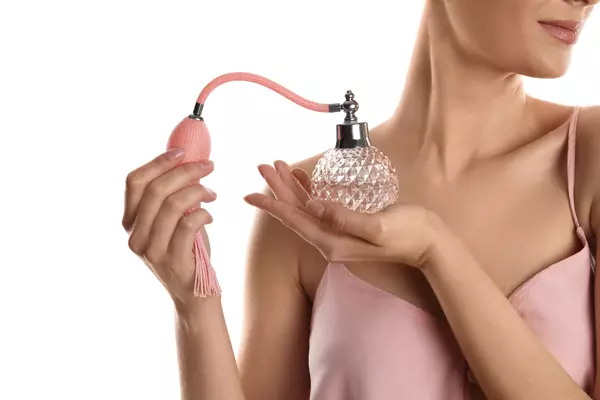
Eau de toilette holds best on the body's warm spots. These include the neck, décolletage, wrists, inner elbow, the inside of the knees or the hairline. Blood circulation is higher there – and that is exactly where the scent can last longer and develop more harmoniously. In perfumeries you will find light EDTs specifically designed for these zones.
-
Use the effect of a warm shower
After showering your pores are slightly open, allowing the scent to penetrate the skin more deeply. A few sprays on dry but still slightly warm skin produce a particularly refined scent development. Choose an eau de toilette with fresh citrus or herbal notes for an invigorating start to the day.
-
Layer your scent for longer lasting effect
Start with a scented shower gel or a body lotion that matches the fragrance. Then apply the eau de toilette to lock in the entire composition. Many brands offer coordinating care ranges – ideal for boosting your EDT while caring for the skin.
-
Fragrance your clothes with care
A light mist on jackets or scarves works very well to keep the scent present for longer. Always spray from a distance and avoid light or delicate fabrics. Fine EDTs with woody or fruity notes are particularly suitable for clothing, as they leave a gentle, elegant scent trail.
-
Refresh your eau de toilette subtly during the day
EDTs are formulated lighter than eau de parfums – so refreshing them is perfectly acceptable. Use a fine cloud of fragrance and walk through it. This ensures a subtle presence without overpowering the scent. Many drugstores carry practical travel sizes for on the go.
-
Care for your skin beforehand — for longer lasting fragrance
Well-hydrated skin retains scent molecules noticeably longer. An unscented body lotion or a moisturising gel creates the perfect base without altering the fragrance composition. Creams with shea butter or hyaluronic acid are particularly recommended.
-
Choose your eau de toilette according to time of day and occasion
In the morning, fresh, light scents such as citrus, tea or white florals are suitable. In the evening, more sensual notes – wood, vanilla, amber – come into their own. Use several EDTs depending on your mood and style to build your personal scent wardrobe.
-
Match your eau de toilette to your skin type
Dry skin makes fragrances evaporate more quickly. Oily skin holds scent longer. If your skin tends to be dry, choose EDTs with warm, more intense notes or apply a light moisturiser beforehand. For oily skin, aquatic, green or aromatic compositions work particularly well.
-
Test new fragrances correctly — first on paper, then on your skin
Every skin reacts chemically differently. Test a fragrance first on a scent strip, then on your wrists. Wait at least 30 minutes for the heart and base notes to unfold. Many brands offer miniatures or samples so you can try your EDT at home at your leisure.
-
Store your eau de toilette correctly
Protect your EDT from light, heat and humidity. An ideal place is a dry, cool spot such as a cupboard or drawer. In drugstores or pharmacies you will often find high-quality EDTs in light-protective bottles, which further support longevity.