Hair loss
10 ways to fuller hair – from inside and out
-
Choose the right care so you don’t put extra strain on the hair roots
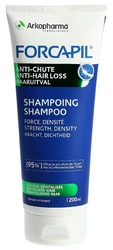
When dealing with hair loss, every detail matters: choose mild, pH‑neutral shampoos without silicones, sulphates or harsh surfactants. These formulations soothe the scalp, prevent additional drying and create an environment where new hair can grow stronger. Look especially for products with caffeine, niacinamide or zinc – they specifically support the hair follicles.
-
Use scalp serums that boost circulation
Strong hair starts at the root. Targeted serums with caffeine, minoxidil or plant extracts stimulate microcirculation and deliver more nutrients to the follicles. A gentle daily massage improves ingredient absorption and promotes healthy hair growth.
-
Follow gentle styling routines
Tight braids, tight buns or heavy pulling can cause traction hair loss. Use spiral, smooth hair ties and avoid rigid clips. Lightweight, non-sticky styling products add volume without weighing the hair down – ideal for a fuller appearance.
-
Avoid damaging heat treatments
Hot blow dryers, straighteners or curling irons weaken the hair fibre and encourage breakage. Dry your hair in the air as often as possible or use a low heat setting. Keep at least 15 cm distance from the hairdryer to protect hair and scalp from overheating.
-
Opt for short, layered cuts for more visual fullness
A professional cut can make hair look denser right away. Shorter, layered styles add body and help conceal thinning areas. Ask your hairdresser which shape flatters your hair volume best.
-
Support your hair from within with targeted nutrients
Hair needs a steady supply of vitamins and minerals. Biotin, zinc, vitamin D, iron, folic acid and omega‑3 fatty acids particularly contribute to normal hair growth. Pharmacy supplements can fill gaps – especially during stress, seasonal changes or a limited diet.
-
Treat your scalp like you treat your skin
A balanced scalp is the basis for strong hair. Use soothing masks, light oils or toners with aloe vera, panthenol or rosemary extract to calm irritation and support the natural balance. A healthy scalp reacts less and produces more stable hair fibres.
-
Wash your hair less often – but more mindfully
Daily washing can dry out the scalp and trigger compensatory sebum production. An ideal rhythm is every two to five days, depending on hair type. Use a small amount of shampoo at the roots and rinse thoroughly with lukewarm water – this preserves the hair structure.
-
Provide targeted UV and environmental protection
Sun, pollution and oxidative stress can weaken hair follicles. Specific UV sprays, hats or light leave‑ins with antioxidants protect the hair fibre from external damage and prevent the lengths from becoming brittle.
-
Get a professional diagnosis early
Persistent or sudden hair loss should always be assessed medically. A dermatologist can identify whether hormonal changes, nutrient deficiencies, stress or genetic factors are involved – and recommend targeted medical measures. The earlier you act, the better the chances of strengthening the hair again.