Slugging
10 tips for maximally hydrated skin overnight
-
Start with a thorough cleanse
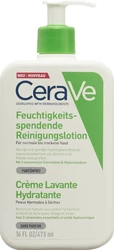
Before applying the occlusive layer, the skin must be completely free of make-up, dirt, sweat and SPF. Use a gentle gel or foaming cleanser, followed by a toner that stabilises the pH. Only then can the skin properly absorb the active ingredients and irritation is avoided.
-
Give your skin intensive hydration first
Slugging only works if there is enough moisture underneath the occlusive layer. A hyaluronic serum, a toner with glycerin or panthenol and a lightweight moisturiser create the ideal base. The occlusive product then locks that moisture in like a “protective shield”.
-
Choose a semi-occlusive ointment for better tolerance
Rich products such as petroleum jelly or Aquaphor form the slugging film. Semi-occlusive formulations have the advantage of allowing minimal air and moisture exchange — ideal for sensitive or blemish-prone skin.
-
Watch the active ingredients in the routine beforehand
Slugging amplifies the effect of all products applied underneath. Therefore, on a slugging night you should avoid strong peels, retinol or AHA/BHA — they can become irritating under occlusion. Hydrators, ceramides, algae extracts or niacinamide, on the other hand, unfold their full potential under occlusion.
-
Apply the occlusive layer sparingly
For an optimal effect, a pea-sized amount is completely sufficient. A layer that is too thick can overwhelm the skin, cause heat build-up or stain bedding more. Less really is more when it comes to slugging.
-
Make slugging part of your evening routine — never during the day
After application the skin has a waxy sheen and no further products belong on top, so slugging is exclusively a night-care strategy. Make-up would also not adhere to the occlusive layer. The skin regenerates more intensively overnight anyway — use this natural rhythm.
-
Test slugging initially 1–2 times per week
Your skin type determines how often slugging is sensible. Dry skin benefits from more frequent applications in winter, while combination or oily skin usually only needs weekly use. Observe your skin: redness or breakouts are a sign to reduce frequency.
-
Use slugging on body areas that need extra care, too
Not only the face benefits: hands, feet, elbows, shins or the cuticles become visibly smoother with slugging. Apply moisturiser, then the occlusive layer — done. For extremely dry feet, wear cotton socks overnight.
-
Protect textiles and hair during application
Because occlusive products can smudge easily, a fresh pillowcase or a small towel under the head is recommended. Tie long hair back or use a headband to avoid greasy strands in the morning.
-
Rely on high-quality products
Whether petroleum jelly, semi-occlusive healing ointments, ceramide creams or hydrating serums — good-quality products make the decisive difference in slugging. Choose brands that are dermatologically tested and preferably free from fragrances or irritating additives. This keeps your skin barrier stable, supple and healthy.