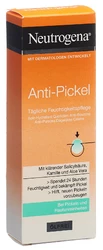
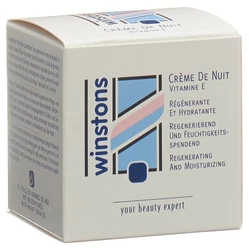
Face cream
10 tips to instantly improve your daily facial care
-
Always start with a thorough cleanse
A face cream only works fully if the skin is free of make-up, sebum and dirt. A gentle cleanse paves the way for active ingredients and prevents clogged pores. For a visibly brighter complexion, it is recommended to apply a serum afterwards — for example with vitamin C or hyaluronic acid — to significantly boost your cream's effectiveness.
-
Use the right amount – less is often more
A walnut-sized amount is enough for the face, neck and décolleté. Too much product simply sits on the surface, weighs the skin down and can even encourage blemishes. The correct dosage ensures valuable ingredients are absorbed optimally.
-
Apply your cream with gentle, circular movements
Start in the centre of the face and smooth outwards and upwards — this stimulates microcirculation and improves the uptake of active ingredients. Never forget the neck and décolleté. These areas age particularly quickly and also require daily care.
-
Maintain care consistently morning and evening
In the morning, a day cream protects against UV radiation, wind, cold and pollution. In the evening, a richer night cream supports natural regeneration and repairs damage accumulated during the day. A consistent routine provides long-term radiance, elasticity and a smoother complexion.
-
Choose your cream according to your skin type
Dry skin benefits from creamy, nourishing formulas with ceramides, squalane or shea butter. Oily and combination skin prefer lightweight textures that hydrate without leaving shine. The more precisely you know your skin type, the better your cream will support the skin's natural balance.
-
Consider additional skin needs
Pigmentation spots, fine lines, redness or acne require targeted actives: niacinamide soothes, retinol smooths, peptides firm, aloe vera calms irritation. Hormonal changes, pregnancy or seasonal shifts can also significantly affect your skin — adapt your cream flexibly.
-
Pay attention to a texture that suits your skin
Light gel-creams are excellent for summer or oily skin, while richer balms are ideal for dry or mature skin. Texture and skin type should harmonise so your skin neither feels tight nor over-treated.
-
Read the ingredient list consciously
A good face cream contains humectants like hyaluronic acid or glycerin, emollients such as ceramides or oils, and occlusive ingredients that lock in moisture. At the same time, you should avoid synthetic fragrances and irritating alcohols — especially for sensitive skin.
-
Adjust your care seasonally
In winter the skin needs protection from cold and dry indoor heating — richer creams are ideal then. In summer, a lighter texture with integrated sun protection is often sufficient. By adjusting care seasonally, the skin stays balanced and well cared for all year round.
-
Don't underestimate sun protection factor
A day cream with SPF protects you from UV-induced skin ageing, pigmentation and moisture loss. Even on cloudy days, UVA rays penetrate deeply into the skin. A cream with sun protection is therefore the simplest anti-ageing step.