Silicon
10 tips for more natural stability
-
Daily requirement and absorption
The estimated daily requirement reported in the literature is usually between 20 and 50 mg. Since the body cannot produce silicon, it must be obtained from the diet. Note that these figures vary by source and are intended as a guideline only.
-
Liquid silicon is better available
The body can absorb silicon in dissolved form much more effectively. For this reason, mineral-rich drinks and mineral water are often more productive sources than solid foods. Pay attention to the silicic acid content shown on mineral water labels.
-
Check mineral and thermal waters
Levels in groundwater can vary greatly by region (e.g. 0-20 mg/l); thermal or medicinal waters can show much higher values (in some waters 9.7-133 mg). If interested, check the mineral content information for the specific water.
-
Emphasise cereals
Especially (wholegrain) cereals contain a lot of silicon, since it is located in the outer layers of the grain. Products such as wholemeal bread, muesli or rolled oats are therefore sensible components of a silicon-richer diet.
-
Oats and millet as top sources
Some sources report very high values for oats and millet (in one source about 400 mg per 100 g). Please note that such figures can vary widely depending on origin and measurement method.
-
Other foods with notable silicon content
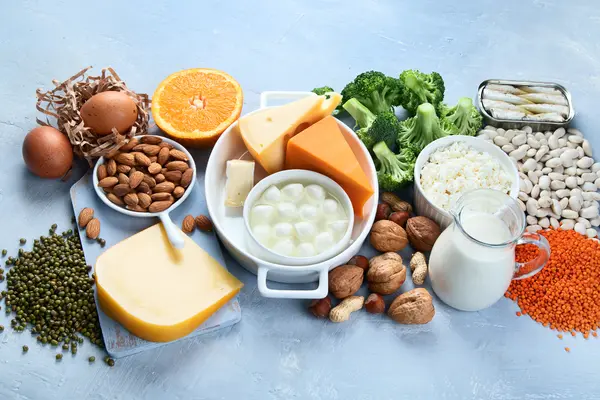
Potatoes, peppers, spinach, rice, legumes and peanuts also contain silicon. Potatoes contain around 60 mg/100 g, peanuts about 50 mg/100 g, bananas about 8 mg/100 g and lentils only a few mg.
-
Dietary fibre as an indicator of silicon content
As a rule: the higher the fibre content of a food, the higher its silicon content is likely to be. Wholegrain products and fibre-rich vegetables are therefore doubly beneficial.
-
Beer and wine as practical providers
Beer contains relatively high levels of silicon because barley and hops provide silicon. Typical ranges in drinks are about 30-60 mg/l for beer and 30-45 mg/l for wine, according to the source. Use such beverages responsibly and consider the aspects of alcohol consumption.
-
Aging processes and nutrient changes
With increasing age, collagen, hyaluronic acid and also silicon decrease in tissues. This can lead to loss of elasticity and wrinkle formation. Silicon alone is not a miracle cure, but it can be part of a holistic strategy to support structural tissues.
- Know the different formulations
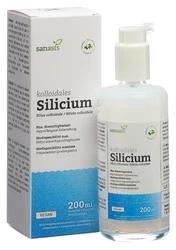
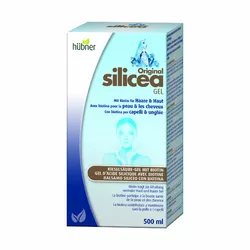
There are processes to extract silicon from plants, algae or lichens and make it more soluble. One option is stabilising orthosilicic acid with marine collagen. Check product information for notes on bioavailability.