Abdominal fat
10 best strategies for a flatter midsection
-
Shape a healthy diet consciously
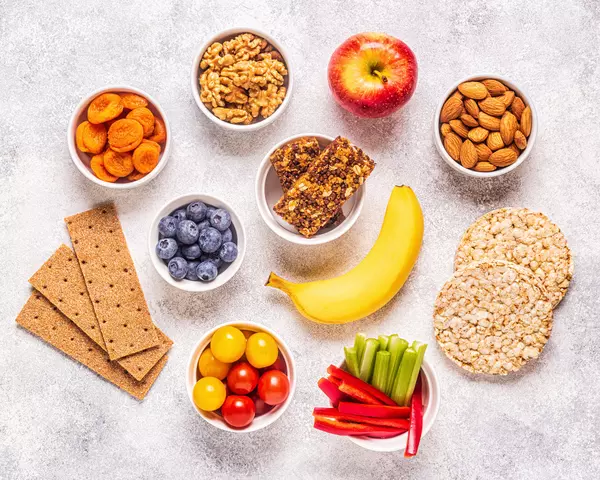
Focus on fresh vegetables, fruit, whole grains and legumes. Avoid highly processed snacks and sugar-sweetened drinks. Plan three main meals and 1–2 small snacks to regulate hunger and spread meals evenly throughout the day.
-
Spot and avoid sugar traps
Many ready-made products, juices or muesli bars contain added sugar. Watch for terms like glucose syrup, sucrose or fructose on the ingredients list. Occasionally replace sweets with natural alternatives such as berries, apple pieces or cinnamon.
-
Eat protein-rich for greater satiety
Proteins help maintain muscle mass and can extend the feeling of fullness. Favor legumes, nuts, seeds or tofu to eat balanced meals and control hunger between meals.
-
Drink enough – water matters
Drink 1.5–2 litres of water or unsweetened tea daily. Adequate fluids support digestion and help you enjoy meals more comfortably.
-
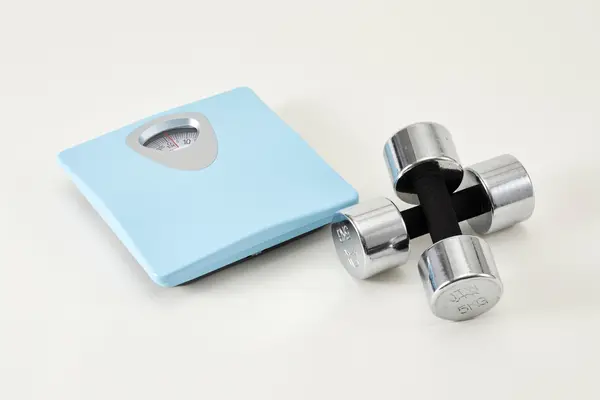
Incorporate regular movement
Combine endurance activities such as brisk walking, cycling or swimming with strength exercises for the legs, core and upper body. Regular movement supports overall fitness and contributes to an active lifestyle.
-
Use core exercises purposefully
Planks, twists or bicycle crunches strengthen the deep trunk muscles that are important for posture and stability. Do 2–3 sessions per week of 10–15 minutes to stabilise your midsection.
-
Reduce stress for well-being
Relaxation exercises, meditation or walks can help reduce stress and promote overall well-being.
-
Optimize sleep quality
The goal is 7–9 hours of sleep per night. Sufficient sleep supports recovery and helps maintain energy and concentration during the day.
-
Consciously include healthy fats
Omega-3 rich foods such as fish, flaxseeds or walnuts provide important fatty acids. Plant oils like olive or flaxseed oil are also part of a balanced diet.
- Reward consistency and document progress
Set realistic goals and track progress, e.g. with a food diary or a fitness app. Visible metrics like training time or physical performance motivate you to stick with it long term.