Pneumonia
With these 10 tips you can fight pneumonia
-
Drink enough fluids
Water and herbal teas, for example with chamomile or thyme, help to replace fluids lost through fever and sweating. At the same time they thin the mucus in the airways so it can be coughed up more easily.
-
Allow yourself sufficient rest
Your body needs a lot of energy to fight pneumonia. Therefore avoid physical exertion and lie down regularly so your immune system can fully concentrate on healing.
-
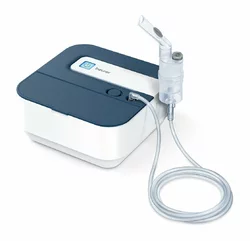
Inhale warm, moist air regularly
Inhaling saline solution or essential oils moistens the airways, loosens mucus and relieves symptoms such as coughing and sore throat. This effectively supports the cleaning of your lungs.
-
Pay attention to a healthy, nutrient‑rich diet
A balanced diet strengthens your immune system. Eat plenty of fresh vegetables, fruit and wholegrain products that provide important vitamins and minerals.
-
Increase the humidity in your rooms
Hang damp cloths over radiators or use a humidifier. Higher humidity protects the mucous membranes in your airways and can make breathing easier.
-
Take your antibiotics consistently
If your doctor prescribes antibiotics, it is important to take the medication completely and as directed. Stopping treatment early can result in the infection not being fully cured.
-
Avoid drafts and cold air
Drafts can irritate the airways and worsen existing inflammation. Therefore make sure to dress warmly and heat rooms sufficiently to protect your lungs.
-
Avoid tobacco smoke
Smoking further irritates the airways and slows healing. Avoid not only active smoking but also exposure to second‑hand smoke.
-
Pay special attention to hygiene if you have risk factors
If you have conditions such as diabetes or chronic lung disease, particularly careful hygiene is advisable to prevent infections. Wash your hands regularly and avoid contact with people who are ill.
- Actively cough out mucus
Do not suppress your cough. Exhaling and expelling mucus helps remove pathogens and inflamed secretions from the lungs and thus promotes the healing process.