Plums
10 tips for a fruity energy boost in everyday life
-
Choose fresh, high-quality fruit
When buying, look for firm plums with smooth skin and a slight whitish bloom. This natural protection indicates the fruit is fresh and has retained its quality. High-quality fruit can form the basis for a particularly aromatic taste experience.
-
Store plums correctly for longer enjoyment
Plums stay freshest when stored cool and dark – in the fridge they can last up to a week or longer. Unripe fruit can ripen at room temperature and develop their full flavour. That way you can always have optimally ripe fruit on hand.
-
Wash plums only shortly before eating
The natural protective bloom on the skin helps prevent the fruit from drying out. If you wash plums only shortly before eating, this protective layer remains intact longer. That contributes to better shelf life and a more intense flavour.
-
Use plums as a natural energy source
Plums contain fruit sugars and therefore provide quickly available energy for everyday life. At the same time they bring a combination of vitamins such as C, E and B vitamins as well as minerals like potassium and magnesium. This makes them a versatile snack for in between meals.
-
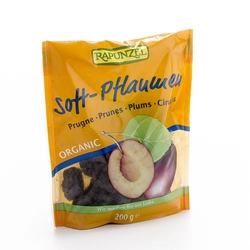
Make use of dried plums
Dried plums contain around 5 g of fibre per 100 g and can be a useful addition to a conscious diet. They are often used as an ingredient in mueslis or as a snack.
-
Include plums for more variety in your diet
Fresh, stewed or baked – plums can be used in many ways. When baking, the stones can impart a slightly almond-like flavour to the flesh. This results in varied dishes with a distinctive taste.
-
Benefit from secondary plant compounds
Plums contain anthocyanins and flavonoids, which are responsible for their dark colour. These plant compounds can contribute to a balanced dietary pattern. Their potential is especially evident when combined with other foods.
-
Support your wellbeing with fibre
The fibre content and natural components such as sorbitol can gently support digestion. Dried plums are traditionally used in this context. Adequate fluid intake can further accompany this effect.
-
Pay attention to the right amount
A daily portion of about 4–6 dried plums (approx. 50 g) is often well tolerated. Larger amounts can cause digestive discomfort in sensitive individuals. A mindful approach ensures enjoyable consumption without side effects.
-
Make plums shelf-stable for the long term
Plums can be frozen without problems and remain usable for up to 12 months. For this they should be pitted and cut into pieces, ideally pre-frozen on a baking tray. This way you can enjoy the fruit in portions later and use them flexibly.