Pelvic floor
10 methods for mindful pelvic floor training
-
Perceive the pelvic floor intentionally and locate it
Take time to develop a sense of your pelvic floor. A one‑off orientation, for example briefly stopping the urinary stream, can help you recognise the muscle area involved. Use this method only for perception and not regularly in daily life.
-
Perform Kegel exercises correctly
Engage the pelvic floor as if you were holding back urine and wind. Hold the contraction for a few seconds and then release it completely. Make sure the abdomen, buttocks and thighs remain as relaxed as possible to isolate the target muscle.
-
Focus on complete relaxation
After each contraction, consciously let go and give the pelvic floor time to recover. Avoid holding tension continuously, as this can affect mobility and the natural interaction of the muscles.
-
Coordinate breathing with activation
Breathe gently into the belly and keep the pelvic floor relaxed. On the exhale, activate the muscles in a controlled way. This coordination supports a smooth and natural execution of the exercises.
-
Choose your exercise position consciously
Start the exercises from a stable starting position, for example sitting on a firm chair with an upright posture. Make sure your feet are parallel on the floor and your upper body stays relaxed to make muscle control easier.
-
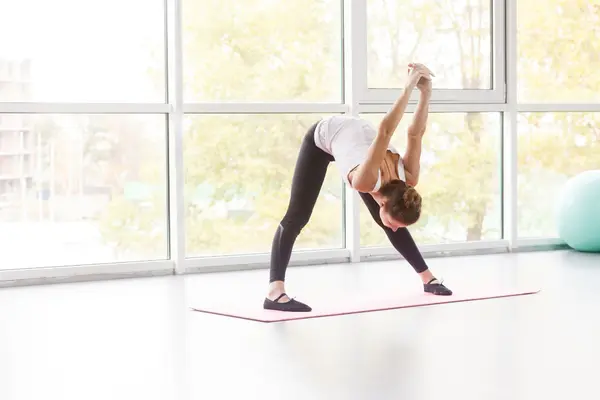
Combine exercises with yoga or Pilates
Integrate movement forms that focus on body stability and mindful muscle control. Pay attention to actively sensing the pelvic floor, especially during movements that stabilise the trunk.
-
Use the mouth area as a supporting cue
Try to improve body awareness with a slight tension around the mouth, for example by gently placing the tongue on the palate. This can help to become more aware of a reflexive connection in the body.
-
Consciously accompany pressure situations
When under physical strain, such as lifting heavy objects, make sure to activate the pelvic floor slightly beforehand. Combine this with a stable posture and calm movement execution.
-
Prefer slow and controlled execution
Perform each exercise mindfully and without rush. Slow execution helps you sense the muscles more precisely and avoid unwanted compensatory movements.
- Seek professional guidance if unsure
If you are unsure whether you are performing the exercises correctly, guidance from a qualified professional can be helpful. Individual feedback helps you refine your technique and find a suitable training level.