Oral thrush
10 steps for a mindful oral routine
-
Seek professional assessment for noticeable changes in the mouth
If deposits, redness or an unpleasant sensation appear in the mouth, a medical assessment can help to correctly evaluate the situation. This makes it possible to determine individually which measures seem appropriate and whether local or more extensive treatments are advisable.
-
Use locally applied products in an appropriate dosage form
Depending on the recommendation, various dosage forms are available, such as lozenges, oral gels, solutions or suspensions with a pipette. These are applied directly in the mouth and can be targeted to affected areas, making them practical for everyday use.
-
Consider oral medications for more pronounced courses
If symptoms persist or extend to areas such as the oesophagus or the digestive tract, oral medications prescribed by a doctor may be used. These act beyond the oral cavity and are dosed individually.
-
Maintain thorough oral hygiene using appropriate aids
Daily cleaning with a toothbrush and dental floss can help remove deposits. Soft toothbrushes are particularly suitable to protect the gums and avoid mechanical irritation.
-
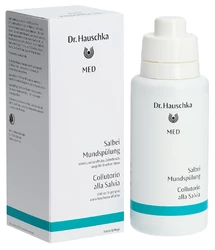
Incorporate antiseptic mouthwashes into your routine
Rinsing the oral cavity with suitable solutions can complement mechanical cleaning. Applications can be done several times a day to support oral hygiene.
-
Improve indoor humidity if needed
A humidifier can help create a more comfortable indoor climate, especially in heated rooms. Balanced humidity can have a positive effect on subjective sensations in the mouth and throat.
-
Clean your dental prostheses thoroughly and check them regularly
Dental prostheses should be cleaned thoroughly after each meal to remove food residues and deposits. A good fit of the prosthesis can also help reduce friction and relieve the oral mucosa.
-
Pay attention to consistent hygiene in infants and young children
Pacifiers, bottle teats and teething toys should be regularly cleaned by boiling to reduce microbial load. The „cleaning“ with saliva should be avoided, as it is not a hygienic alternative.
-
Use simple rinsing solutions such as a saline solution as a complement
A mixture of warm water and a teaspoon of salt in a cup can be used several times a day for rinsing. The mouth is rinsed for about 30 seconds without swallowing the solution, to keep the application hygienic and practical.
- Adjust your diet if you have a sensitive mouth
Soft and easy-to-chew foods can be gentler on the mouth and make eating more comfortable. It can also help to avoid very hot or alcoholic drinks to prevent irritation.