Mustard
10 surprising tips for the perfect mustard enjoyment
-
Different mustard seeds for different effects
For medicinal purposes, both black and white mustard seeds are used. Black mustard seeds are stronger and have a more intense effect; white seeds are milder. Choose the appropriate seeds depending on the application and sensitivity.
-
Mustard foot bath to relieve colds
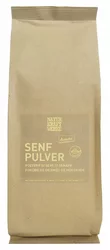
A mustard foot bath made with 10 to 30 grams of black mustard powder in about 38 °C warm water can be supportive when you have a cold. Immerse your feet up to mid-calf, leave the foot bath for 7 to 15 minutes and then rinse. Afterwards, rub your feet with olive oil and rest warmly covered.
-
Mustard powder compress for respiratory conditions
A compress made from 10 to 30 g of mustard powder, soaked in warm water and then applied to the chest, can provide soothing relief to the airways in cases of bronchitis or pneumonia. Allow an application time of one to ten minutes, depending on tolerance.
-
Safe handling of mustard powder compresses
Sensitive skin areas such as armpits or nipples should be protected with petroleum jelly before application, as the compress can otherwise cause unpleasant irritation. Monitor the skin closely during application and stop the treatment if intense burning occurs.
-
Mustard poultices for targeted heat application
As with the compress, fresh mustard powder is mixed with warm water to form a thick paste and spread onto a linen cloth. Place a layer of fabric between the paste and the skin to reduce burning sensations. Start with an application time of three minutes and increase gradually up to a maximum of ten minutes.
-
Weakened effect by using cereal flour
If you want to make mustard poultices gentler, replace one third of the mustard powder with cereal flour. This makes the application better tolerated on sensitive skin.
-
Protect eyes and hands when using mustard powder
To prevent irritation, avoid touching your face or eyes while preparing and applying mustard powder. A big advantage of the mustard foot bath: cover your legs and feet with a towel so that the rising vapours do not get into your eyes.
-
Care after using mustard
Wash the treated skin thoroughly with lukewarm water after using mustard poultices or compresses and then moisturise with a mild lotion or olive oil. After that, allow a rest period of at least 30 minutes.
-
Internal use of mustard for digestive problems
A teaspoon of mustard paste after meals can stimulate appetite, support digestion and relieve heartburn – even during pregnancy. However, if symptoms persist, you should always consult a doctor.
- Mustard plasters and mustard preparations from the pharmacy
In addition to home remedies, ready-made mustard plasters, creams and ointments are also available commercially. Please always follow the package instructions when using these products.