Muesli
10 tips for a nutrient‑rich power breakfast that really keeps you full for longer
-
Choose a wholesome base of rolled oats
Opt for organic rolled oats – they provide beta‑glucans, help stabilise blood sugar and keep you full for longer. Starting the day this way prevents cravings and has a positive effect on cholesterol and digestion.
-
Look for short ingredient lists
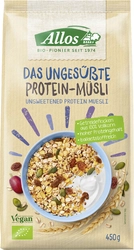
The shorter the list, the better for your health. Choose blends where whole grains are at the top and sugar is minimal or absent. Products labelled “unsweetened” or “no additives” are ideal for a mindful breakfast.
-
Enhance your muesli with fresh fruit
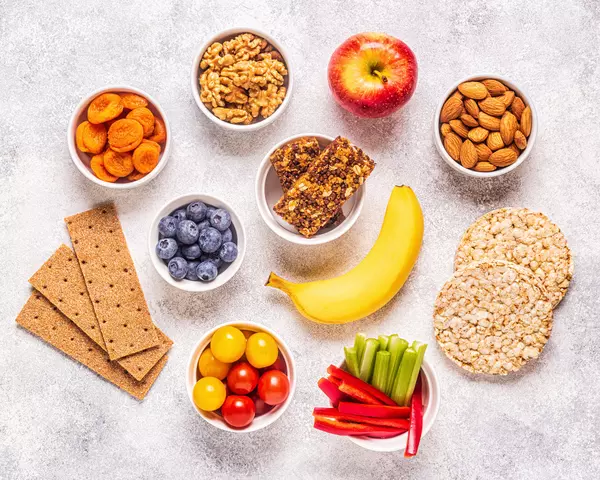
Fresh berries, apples or banana provide natural sweetness, vitamins and antioxidants. This helps you avoid artificial sweeteners or sugar‑rich dried fruits that are often marketed as “healthy ingredients”. A handful is enough to boost flavour and nutrient density.
-
Add high-quality nuts and seeds
Walnuts, almonds, pumpkin or sunflower seeds add healthy fats, protein and crunch to your muesli. Pay attention to portions though. A small handful per day is sufficient.
-
Use plant power: chia, flaxseed & co.
Fibre‑rich seeds improve satiety and support healthy digestion. Organic flaxseed in particular is high in omega‑3 fatty acids and good for heart health and metabolism.
-
Combine your muesli with an appropriate protein source
Yoghurt, skyr or plant‑based alternatives like soy or coconut yoghurt increase the protein content of your meal. This keeps you fuller for longer and supports muscle maintenance. Products with natural recipes and no added sugar are particularly recommended.
-
Avoid sugar traps and marketing tricks
Even “sugar‑free” mueslis can contain hidden sweetness – for example in chocolate flakes or flavoured dried fruits. Check for terms like glucose syrup, dextrose, honey powder or syrups. The fewer of these, the better for your blood sugar.
-
Season naturally instead of sweetening
Cinnamon, vanilla or cardamom give your muesli depth and aroma – without sugar. Some spices, such as cinnamon, also support blood sugar regulation. These small details make your muesli both healthier and more interesting taste‑wise.
-
Try healthier milk alternatives
Almond, oat, lupin or coconut drinks add variety and often contain less sugar than conventional cow's milk. They are a gentle, well‑tolerated option for people with sensitive digestion or intolerances.
-
Choose your muesli based on fibre & sugar values
A healthy muesli should have at least 6 g of fibre per 100 g and under 10 g of sugar. These benchmarks help you quickly identify in the supermarket or drugstore whether you have a high‑quality product in front of you. That way you make a nutrient‑conscious choice every time.