Mouthwash
10 tips for a fresh oral flora
-
Choose a mouthwash that suits your needs
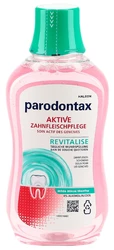
Not all mouthwashes work the same way. Fluoride‑containing products reliably protect against cavities, while medical formulations with chlorhexidine are used specifically to treat inflammation. Alcohol‑free options are also ideal if your gums are sensitive. Choosing the right product is crucial.
-
Use the correct amount
Use the cap as a measuring aid. Typically, 10–20 ml is more than enough. This small amount only works properly if it is neither under‑ nor overdosed. Many high‑quality products provide precise dosing instructions so you can achieve the best daily result.
-
Rinse for 30–60 seconds for maximum effectiveness
To allow antibacterial and fluoride agents to penetrate deep into the interdental areas, the rinse time should be at least 30 seconds. A vigorous back‑and‑forth movement in the mouth supports the mechanical cleaning action – a small effort with a big impact on your oral health.
-
Spit out after use without rinsing with water
If you rinse with water after using mouthwash, fluorides and protective ingredients lose a large part of their effect. Let the active ingredients remain on your teeth – this strengthens the protective film in the long term and supports cavity prevention.
-
Wait 30–60 minutes before eating or drinking after use
Give your mouthwash time to take effect. Fluoride in particular needs a few minutes to stabilise on the enamel. Eating or drinking immediately will negate this effect. A short wait is a big benefit for your oral health.
-
Opt for alcohol‑free products if your gums are sensitive
Alcohol‑containing rinses can feel refreshing but may also be irritating. For children, pregnant people, those with dry oral mucosa or sensitive gums, alcohol‑free options are the much better choice.
-
Use specialised rinses for inflammation or fungal infections
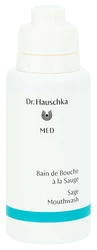
For oral inflammations, plant‑based solutions containing chamomile, myrrh or sage help soothe and reduce swelling. For fungal infections, antifungal mouthwashes with active ingredients such as nystatin are recommended.
-
Be aware of possible staining from active ingredients
Some medical mouthwashes – for example those containing chlorhexidine (CHX) – can cause brownish tooth staining if used frequently. These stains are harmless and can be removed during the next professional cleaning. Use such rinses for a limited time and only on your dentist’s recommendation.
-
Use mouthwash as an adjunct – not as a replacement
Even the best mouthwash does not replace mechanical cleaning. Toothbrushes, dental floss and interdental brushes remain the foundation of oral hygiene. Mouthwash is an effective supplement that reduces bacteria, protects sensitive areas and freshens breath – but only as part of an overall routine.
-
Get personalised advice
Every mouth is different: gum health, enamel thickness, existing inflammations or sensitive tooth necks influence which mouthwash is truly appropriate. A brief consultation at your dental practice will help determine the right product and optimal frequency of use. That way you ensure your oral care is tailored to your personal needs and achieves the best long‑term results.