Micronutrients
With these 10 micronutrient tips you'll be well supplied
-
Know your individual nutrient needs
These needs depend on various factors such as age, sex, lifestyle and special requirements (e.g. pregnancy or sports). Learn about the recommended daily amounts and use blood tests to check your status in a targeted way.
-
Choose natural and fresh foods
They generally offer a broad range of nutrients. For example, oats contain, besides carbohydrates and protein, important minerals such as iron and magnesium. On the other hand, avoid nutrient-poor products like ready meals and fast food, which provide few vital nutrients.
-
Make your meal plan varied
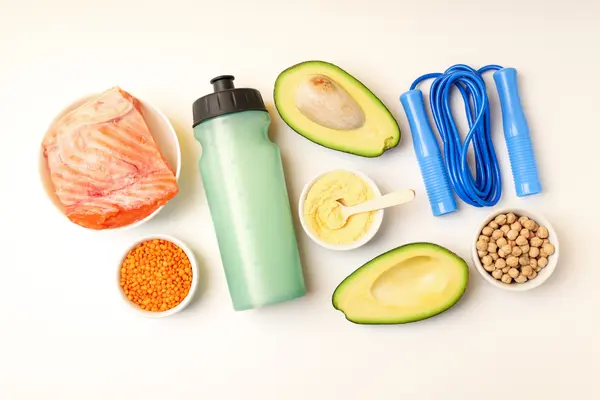
Variety is the key to comprehensive nutrient intake. Regularly try new fruits and vegetables, wholegrain products and legumes. This helps prevent deficiencies and supplies your body with many different micronutrients.
-
Eat enough fruit and vegetables every day
At least three handfuls of vegetables and two handfuls of fruit per day provide many vitamins, minerals, fibre and secondary plant compounds – important building blocks for a strong immune system and healthy skin.
-
Use healthy fatty acids from plant sources
Plant oils such as linseed oil, olive oil, rapeseed oil and walnut oil contain valuable unsaturated fatty acids. These support your health and improve the absorption of the fat‑soluble vitamins A, D, E and K.
-
Consume animal products consciously and in moderation
Lean meat, eggs, cheese and dairy products are good sources of high‑quality protein as well as important vitamins and minerals. Fatty sea fish supplies valuable omega‑3 fatty acids but should not be eaten too often because of possible heavy metal contamination.
-
Pay attention to gentle preparation
Many micronutrients are sensitive to heat, light and oxygen. Steaming, cooking with little water or quick sautéing help to preserve nutrients as much as possible, while long cooking or very high‑heat frying can lead to losses.
-
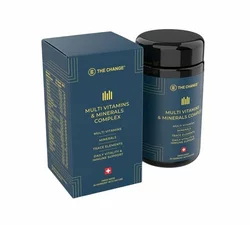
Supplement your diet with dietary supplements if necessary
In certain cases, for example with a vegan diet or in winter months, supply of vitamin B12 and vitamin D can be critical. A targeted supplement can be sensible here to prevent deficiencies.
- Read the nutritional information on packaging
When shopping, pay attention to the information on macro‑ and micronutrients, calories, sugar and fat content. This way you can quickly recognise which products are nutrient‑rich and which are better avoided.