Energy-boosting foods
10 powerful tips to energize your day immediately
-
Start with a proper energy-boosting breakfast
Start your day with a combination of complex carbohydrates, protein and healthy fats – for example, oats with nuts, seeds and berries, or yogurt with fruit and oat crunch. This raises your blood sugar gently instead of sending it on a roller-coaster, helping you stay focused until midday.
-
Choose complex carbs instead of quick sugar hits
Energy-sustaining foods such as oats, wholegrain bread, lentils, beans and sweet potatoes provide long-lasting energy because they are digested slowly. This helps you feel full for longer and avoids the well-known afternoon slump. Consciously reach for highly sugared snacks and soft drinks less often and opt for whole-food alternatives instead.
-
Rely on healthy fats as a power component
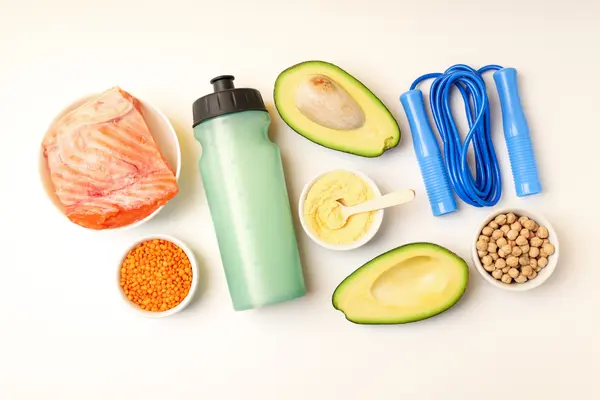
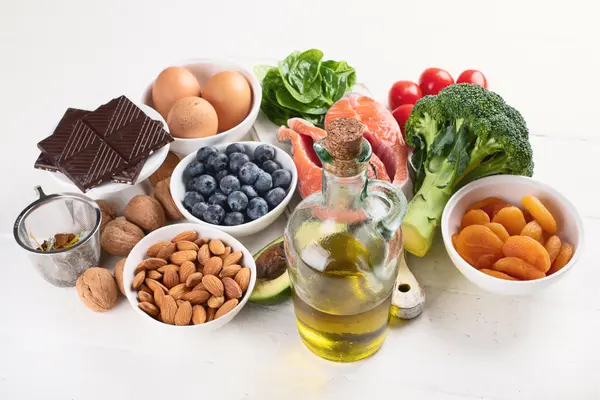
Avocado, nuts, seeds, olive oil or fatty fish supply valuable unsaturated fatty acids that support your brain and metabolism. These fats ensure energy is released more slowly, so you feel more focused and balanced. Pharmacies or health stores also offer high-quality omega-3 capsules or oil blends if you want to complement your diet deliberately.
-
Plan protein as an energy source
Protein acts like an "anchor" for your blood sugar and helps keep your energy levels stable for longer. Regularly choose foods such as yogurt, Greek yogurt, cottage cheese, eggs, chickpeas, lentils or lean meat. When time is tight, protein drinks, protein bars or protein-rich snacks from pharmacies or health stores can be a practical option — especially after exercise or on long workdays.
-
Enjoy colourful fruit and veg power for more vitality
Berries, citrus fruits, grapefruit, broccoli, spinach, beetroot or peas provide antioxidants, vitamins and minerals that protect your cells from oxidative stress — an important foundation against fatigue. The more colourful your plate, the wider the spectrum of micronutrients. You can also consider vitamin C or multivitamin supplements from the pharmacy if your daily routine does not always allow for fresh fruit and vegetables.
-
Watch iron and B vitamins — key factors in fatigue
Foods such as lentils, beans, peas, oats, beef, green leafy vegetables and nuts provide iron and B vitamins needed for blood formation and energy production. If these are lacking, you can quickly feel exhausted and lethargic. Pharmacies offer iron supplements and B-complex vitamins — ideally after a prior blood test by your doctor so you can address fatigue in a targeted way.
-
Focus on magnesium, electrolytes and co. — especially important with stress and sport
In heat, under stress or during intense activity, the body loses minerals as well as water. Energy-giving foods such as nuts, wholegrains, green vegetables and mineral-rich water supply magnesium, potassium and other minerals.
-
Snack smart instead of sugary
Instead of reaching for sweets, pastries or soft drinks, choose small, high-quality energy sources: a handful of nuts, natural yogurt with berries, hummus with vegetable sticks or a piece of fruit. Such snacks keep your blood sugar stable and prevent intense cravings.
-
Drink consciously — fluids are an energy factor
Even mild dehydration can cause tiredness and headaches. Drink enough throughout the day — water, unsweetened herbal and fruit teas or heavily diluted juice spritzers are ideal. For periods of high demand, isotonic drinks, electrolyte solutions or specialised "energy waters" can further support your mineral balance — without resorting to extremely sugary soft drinks.
-
Reduce energy drainers
Highly processed convenience foods, a lot of sugar, artificial sweeteners, trans fats and very large, heavy meals strain your metabolism and often lead to energy lows. If you gradually reduce these and replace them with fresh, energy-giving foods, your body will become noticeably more efficient.