Manuka honey
10 insider tips on the New Zealand wonder honey
-
Understand the MGO label
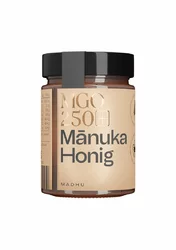
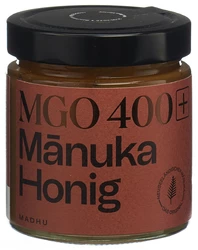
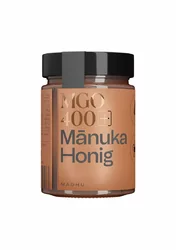
The “MGO” marking on the jar indicates the methylglyoxal content in milligrams per kilogram – the key active compound that makes Manuka honey so special. Remember: the higher the number, the stronger the antibacterial effect.
-
Use MGO tiers as a guide
Regular floral honeys typically fall below 20 mg/kg MGO, whereas genuine Manuka honey can reach levels of 100, 400 or even over 800 mg/kg. An MGO value from 100+ is considered medical quality; from 400+ it is regarded as particularly highly effective.
-
Taking it to support your immune defences
A teaspoon of Manuka honey daily can serve as a simple morning routine. At the first signs of a cold, two to three teaspoons spread throughout the day may help. Let the honey dissolve slowly in your mouth so it can act directly in the throat.
-
Add honey only to cooled tea
Methylglyoxal is relatively heat‑stable, but other enzymes can be destroyed at high temperatures. Stir the honey in only when the tea is at drinking temperature to preserve as many active compounds as possible.
-
Targeted use for small wounds
Apply Manuka honey directly to clean scrapes or scratches. Its antibacterial action can support healing and protect the wound. For topical use an MGO range of around 100–200 is often recommended.
-
Skin care: mask and spot treatment
For a soothing facial mask, apply a thin layer to cleansed skin and leave on for about 20 minutes. For pimples, treat spots with a cotton bud – the honey reduces redness without drying out the skin.
-
Anti‑age and sensitive skin
Manuka provides intense hydration, has antioxidant properties and can support collagen formation. It is therefore well suited for caring for mature or stressed skin. Use products or short treatments selectively and monitor the skin's response.
-
Lip care and hand treatment
For chapped lips a small amount of honey is sufficient. For rough hands you can apply honey pure or mixed with a little olive oil as a mask. Wear cotton gloves overnight to notice visibly softer hands in the morning.
-
Hair and scalp care
Shampoos or conditioners containing Manuka can add moisture to dry hair and soothe an irritated scalp. For dandruff or tightness of the scalp, choose suitable products and use them regularly.
- Culinary: as a sweetener, but avoid using it hot
Manuka honey is suitable for sweetening smoothies, yoghurt or cold drinks and also provides valuable constituents. Avoid using it in very hot dishes to keep heat‑sensitive enzymes largely intact.