Loss of libido
10 practical approaches when interest in intimacy wanes
-
Consciously reduce stress and psychological strain
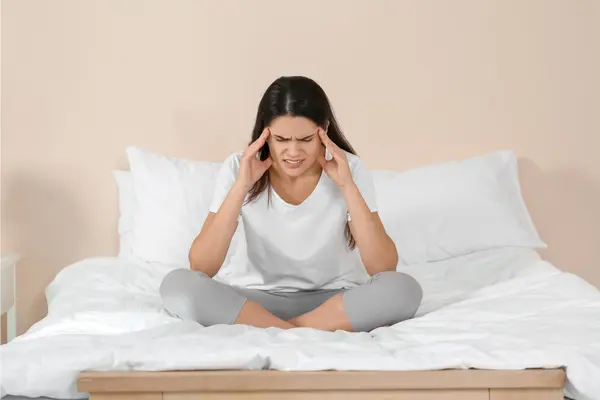
When everyday life is shaped by pressure, worries or unresolved conflicts, there is often little room for intimacy. Plan deliberate recovery phases, for example walks, relaxation exercises or conversations about stressful topics. This supports greater inner balance.
-
Reduce abdominal fat in a sustainable and gentle way
Sustainable weight management through a balanced diet and regular exercise can be a sensible measure. What matters is a long-term approach without extreme diets or short-term radical cures.
-
Incorporate regular physical activity into your daily routine
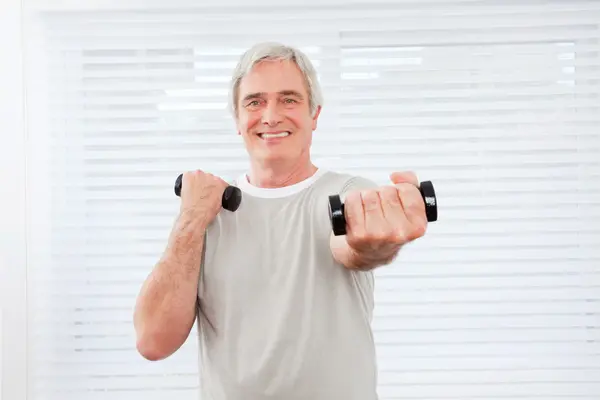
Exercise can support various processes in the body, such as circulation, energy levels and body awareness. Many people report increased vitality already after moderate training – for example three sessions per week.
-
Be aware of possible influences from medications
Certain medications can cause changes in the hormonal balance or the nervous system. These include, for example, antidepressants, blood pressure medicines or hormonal contraceptives. If changes in libido are noticed, it can be useful to discuss them with a healthcare professional.
-
Critically review hormonal contraceptive methods
Hormonal contraceptives intentionally affect the natural hormonal balance. Some people notice changes in their sexual desire in this context. If a connection is suspected, individual counselling can help consider possible alternatives or adjustments.
-
Provide your body with important minerals
Minerals such as zinc and magnesium are often mentioned in connection with a balanced metabolism and hormonal processes. A varied diet including nuts, wholegrain products, legumes or seeds can help provide these nutrients regularly.
-
Specifically train your pelvic floor
A strong pelvic floor can improve body awareness in the intimate area. Specific pelvic floor exercises or yoga-like methods can help to perceive and strengthen the muscles more consciously.
-
Include spicy seasonings like chilli in your diet
Chillis contain natural plant compounds known for their stimulating properties. Many people find spicy foods invigorating and energising.
-
Discover nutrient-rich foods such as pomegranate
Pomegranate seeds and pomegranate juice are traditionally associated with vitality and energy. Many people include them, for example, in smoothies, salads or breakfast dishes.
- Ensure more comfort during intimacy
If dryness or discomfort occur during sexual intercourse, this can significantly reduce desire. Intimate care products such as lubricants or moisturising creams can help improve comfort.