Hormonal imbalance
These 10 secret tips will finally calm your hormones
- \n
- \n
Recognise the symptoms of a hormonal imbalance
\n \n
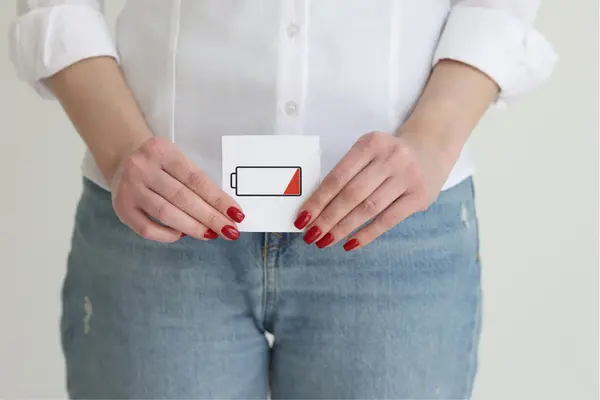
Watch for typical signs such as unexplained weight fluctuations, skin issues, muscle aches or mood swings. These varied symptoms can indicate a disruption in hormonal balance and should not be ignored.
\n- \n
- \n
Reduce stress consistently
\n \n
Chronic stress burdens your adrenal glands and can lead to an overproduction of stress hormones like cortisol. This can in turn affect the production of key sex hormones. Use relaxation techniques such as meditation or deep breathing to support your hormonal balance.
\n- \n
- \n
Eat a balanced, nutrient-rich diet
\n \n
A healthy diet rich in vitamins and trace elements like iodine supports optimal function of your hormone-producing glands. Avoid processed foods and favour fresh, preferably organic, nutrient-dense foods.
\n- \n
- \n
Avoid hormonally active environmental substances
\n \n
Endocrine disruptors such as plasticisers, bisphenol A or pesticides can significantly affect your hormonal system. Choose low-pollutant products and avoid plastic packaging with the recycling codes “7” or “PC”.
\n- \n
- \n
Wash new textiles and toys before use
\n \n
Since clothing, bedding or plastic toys can contain hormonally active contaminants, you should wash them thoroughly before first use to minimise exposure to such substances.
\n- \n
- \n
Use eco-friendly cleaning products and ventilate regularly
\n \n
This reduces the load of chemical substances in household dust that can act as hormone disruptors. Clean floors and regular dust removal are important to create a hormone-friendly environment.
\n- \n
- \n
Check your medication use carefully
\n \n
Medications, especially the contraceptive pill, can influence your hormonal balance. Talk to your doctor about whether and how the medication can be adjusted to relieve your thyroid and other glands.
\n- \n
- \n
Support your adrenal function with targeted nutrients
\n \n
Vitamin B, vitamin C, magnesium, probiotics and enzymes can support adrenal regeneration, which in turn can have a positive effect on the entire hormonal system.
\n- \n
- \n
Incorporate high-intensity interval training (HIT)
\n \n
Shorter, intense workouts effectively kick-start hormone levels and encourage the release of growth hormones. Be careful, however, to avoid excessive endurance training to prevent negative effects.
\n- \n
- Ensure sufficient and restorative sleep \n
At least seven to eight hours of sleep per night are important to maintain the balance between appetite-stimulating and satiety hormones and to support regeneration of muscle and growth hormones.