Lactic acid bacteria
These 10 tips with lactic acid bacteria will make your gut happy
-
Choose fermented dairy products
Kefir and yogurt, for example, are excellent sources of lactic acid bacteria. When buying, look for products labelled "live cultures" or "probiotic" to ensure a high number of active bacteria.
-
Try homemade fermented vegetables
Fermenting cucumbers, kimchi or other vegetables at home is easy to do and yields a high bacterial density. You also know exactly what goes into your ferments.
-
Include fresh sauerkraut in your diet
Fresh, unpasteurised sauerkraut contains particularly many lactic acid bacteria. Use it as a side dish or in salads to specifically support your gut flora.
-
Boost your drinks with probiotic drinks
Drinks like kombucha or water kefir offer a refreshing alternative and also provide valuable lactic acid bacteria that can support gut health.
-
Reduce sugar and fast food
Sugar‑rich and highly processed foods disrupt the balance of gut bacteria. A balanced diet, on the other hand, promotes the colonisation of helpful lactic acid bacteria.
-
Consider lactic acid bacteria in skin care too
Lactic acid is not only valuable for the gut but also helps with skin care. It is found, for example, in certain creams or toners. This way you can support your skin microbiome.
-
Start slowly with fermented foods
If you have rarely eaten fermented products so far, start with small amounts. This gives your gut time to adapt and helps avoid bloating.
-
Store fermented foods correctly
Lactic acid bacteria are sensitive to temperature. Cool storage helps preserve as many live bacteria as possible. Store sauerkraut or kefir in the fridge.
-
Pay attention to salad dressings and fermented seasonings
Lactic acid can also occur as a natural preservative in salad dressings, olives or cheese. Use these products in moderation to increase your bacterial intake.
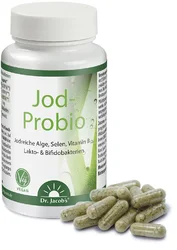
- Consider a probiotic supplement if you have health issues
For chronic complaints, gut restorations or detox programmes, standardised supplements containing lactic acid bacteria can be useful. You will receive precise dosing instructions and information on the bacterial strains that specifically support your gut flora.