Itchy scalp
10 care secrets when the scalp sounds the alarm
-
Choose a mild, skin‑pH‑neutral shampoo
Select a shampoo that is pH neutral to slightly acidic (approx. pH 4.5–6.0), preferably fragrance‑free and with a short INCI list. This eases the scalp barrier and helps avoid further irritation.
-
Wash less often — not every day
With acute itching, less is more. Ideally wash no more than 1–2 times per week so the scalp can restore its natural protective layer. If your hair gets very oily, adjust the frequency slowly — without daily over‑washing.
-
Use lukewarm water instead of hot
Hot water can further dry the skin and worsen itching. Washing with lukewarm water is often a noticeable game changer — especially if the scalp is dry or sensitive.
-
Blow‑dry gently or let hair air‑dry
Heat stresses the scalp. If you use a hair dryer, keep sessions short, at a distance and on low heat. Even better: let hair air‑dry whenever possible.
-
Soothe the scalp with appropriate active ingredients
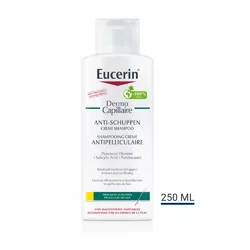
For shampoos, tonics or scalp fluids look for Urea and Glycerin (moisture), Panthenol (soothing) and, for strong itching, Polidocanol (anti‑itch) or Menthol (cooling effect). Such formulations are often available as medical scalp care products in the pharmacy.
-
Avoid irritants — especially fragrance, alcohol and “too much care”
Anything that is strongly perfumed, overly cleansing or stinging can increase itching. Cut down on styling products, hairsprays and strongly degreasing shampoos, and always test new products one at a time so you can identify triggers more easily.
-
Be cautious with colouring, bleaching and aggressive treatments
Hair dyes, bleaching, perms or frequent chemical treatments often irritate the scalp significantly. If you prefer not to give them up, choose milder alternatives and increase the time between treatments — your scalp will thank you.
-
Don't scratch — cool the area instead
Scratching keeps the “itch‑scratch cycle” going and can promote inflammation. Better: gentle tapping with your fingertips or applying cold (e.g. a damp towel or a cold pack wrapped in cloth) — this can noticeably reduce the itch in the short term.
-
Wear head coverings wisely
Avoid tight hats or synthetic fabrics that trap heat and rub. Opt for cotton and protect the scalp from strong sun with a loosely fitting hat — UV can add extra stress to a sensitive scalp.
-
See a doctor in good time
See a doctor if the itch persists for days to weeks, recurs, or significantly affects your daily life. Underlying causes can include psoriasis, atopic dermatitis or lice — in those cases you’ll need targeted, effective treatments (e.g. specific anti‑lice products or medical therapies).