Dandruff
10 scalp secrets for healthy, shiny hair
-
Identify the type of dandruff you have
Not all dandruff is the same. Dry dandruff usually comes from an irritated, moisture‑deprived scalp – greasy dandruff is linked to excessive sebum production and the yeast Malassezia. If in doubt, have your scalp assessed by a dermatologist – it saves time, stress and helps you choose the right care precisely.
-
Choose the right anti‑dandruff shampoo
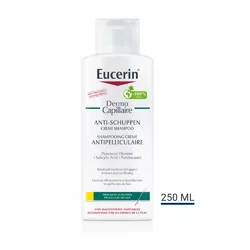
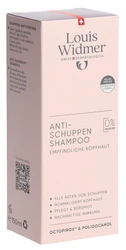
For a dry scalp, reach for a mild, pH‑balanced shampoo that is free of harsh surfactants and preserves the natural acid mantle. For greasy dandruff, a keratolytic and antifungal shampoo with ingredients such as piroctone olamine or zinc pyrithione is recommended; these fight fungi and regulate excess sebum.
-
Let the shampoo work
To allow the active ingredients to work fully, leave the shampoo on the scalp for at least 3–5 minutes before rinsing. A small routine that significantly boosts the effectiveness of your care and reduces dandruff formation in the long term.
-
Care for your scalp – not just your hair
After washing, the scalp is particularly receptive. Gently massage in a lightweight scalp serum or a nourishing oil (e.g. jojoba or tea tree). This soothes irritation, strengthens the skin barrier and provides moisture – ideal for dry or itchy scalps.
-
Use scalp scrubs correctly
A gentle micro‑scrub once or twice weekly removes dead skin cells and helps regulate excess sebum. Look for fine, mild formulations – too much friction can further irritate the scalp.
-
Avoid styling stress and heat
Excessively hot blow‑drying, straightening or over‑styling stresses the scalp. Instead choose lower temperatures and use heat‑protective products that care for the hair without burdening the scalp.
-
Pay attention to your lifestyle
Your scalp often mirrors your lifestyle. A diet rich in vitamins and minerals, including zinc, B vitamins and omega fatty acids, supports skin regeneration. Stress, lack of sleep and a high‑sugar diet, on the other hand, promote dandruff formation.
-
Clean brushes and combs regularly
Care starts with hygiene. Residues of skin oils, styling products and dandruff collect in brushes and combs. Clean them at least once a week with a mild shampoo or warm soapy water to remove bacteria and buildup.
-
Protect your scalp from cold and sun
Extreme temperatures irritate the skin – both dry indoor heating in winter and intense UV exposure in summer. In winter wear a breathable hat and in summer use sunscreen sprays for the scalp to help preserve its natural balance.
-
Be consistent – and patient
Dandruff rarely disappears overnight. Keep your care routine for at least four weeks before judging the results. Combine your anti‑dandruff care with gentle, dermatologically tested products – your scalp will thank you.