Inulin
10 surprising tips for more power with inulin
-
Discover natural sources of inulin
Inulin is especially abundant in chicory roots (up to 23 g per 100 g), Jerusalem artichoke (16–20 g), garlic (9–17 g) and salsify (4–11 g). Regularly include these root vegetables to support your gut naturally.
-
Include a variety of vegetables in your meal plan
Besides the top sources, artichokes (2–10 g), onions (1–8 g) and asparagus (2–3 g) also contain varying amounts of inulin. Dishes that mix these ingredients help promote your gut flora effortlessly.
-
Start with small amounts and increase slowly
Begin with one to two grams of inulin daily, especially if your diet has been low in fibre so far. This allows your digestive system to adapt gently to the fibre and usually prevents unpleasant side effects like bloating or cramps.
-
Carefully test your personal tolerance
Everyone reacts differently to inulin: some tolerate up to 30 grams daily, others experience mild discomfort even at low doses. Find out step by step what works best for you.
-
Turn low-fat dishes into creamy delights
Thanks to its mildly sweet note and binding properties, inulin makes yoghurts, quark or dressings particularly creamy – without added fat or sugar. Low-calorie dishes taste better this way.
-
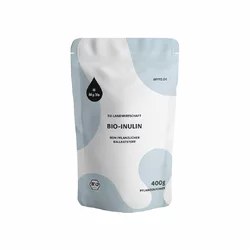
Simply stir inulin into your favourite foods
Whether in smoothies, plain yoghurt or warm vegetable soups – the powder blends in unobtrusively and noticeably improves digestion.
-
Combine inulin with probiotics for your gut
Many products already contain a combination of probiotics and inulin. While probiotics supply beneficial bacteria directly, inulin serves as food for their growth – a win‑win for your gut health.
-
Replace sugar with low‑calorie inulin
Because inulin has only about one tenth of the sweetness of sugar and provides no calories, it is an excellent sugar substitute in drinks, desserts or homemade snacks.
-
Use inulin as a baking ingredient
When baking, you can replace up to 10% of the flour with inulin. This improves freshness retention and the fibre content of your baked goods – perfect for healthier muffins, bars or breads.
- Aim for an overall fibre‑rich diet
Besides inulin, other fibres from vegetables, fruit, whole grains and legumes are important. A varied diet provides you comprehensively with essential plant compounds.