Holiday safety
With these 10 safety tips your holiday will be a worry-free highlight
-
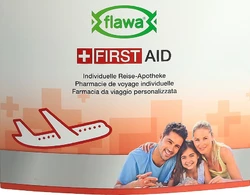
Assemble a well-stocked travel first-aid kit
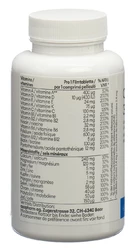
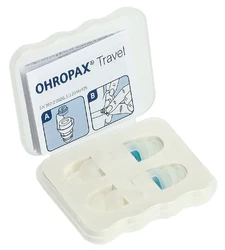
Put together a well-stocked travel first-aid kit for your trip. In addition to prescription medicines, it should include remedies for common ailments such as diarrhoea, fever or minor injuries. Distribute medications between hand luggage and checked baggage.
-
Check the security situation and local specifics
Get an overview in advance of the security situation, health advisories and local laws. This helps you avoid unpleasant surprises and shows respect for the local culture.
-
Regular handwashing and careful hygiene on the go
Clean hands are the most effective protection. Wash your hands regularly, especially before eating and after visiting public places, to reduce the risk of infections.
-
Be cautious with food and drinking water
Avoid foods that are not freshly prepared or not sufficiently heated. Drink bottled or disinfected water where possible, especially in areas with uncertain water quality.
-
Protection against insect bites
Use insect repellent and suitable clothing to avoid bites and minimise the risk of diseases such as malaria or dengue fever.
-
Handle personal documents and valuables securely
Keep your passport, credit cards and other important documents close to your body, for example in lockable inner pockets or a money belt. Make copies and store them separately.
-
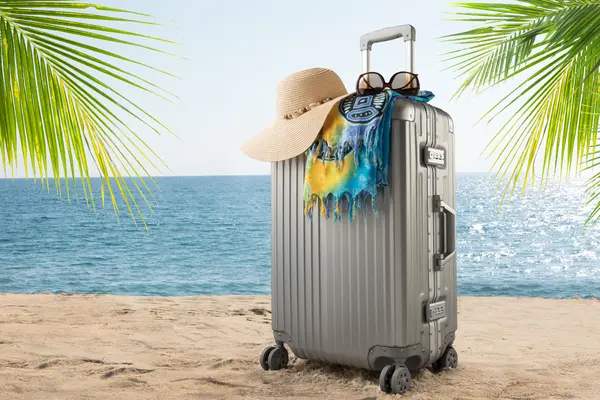
Secure your luggage smartly
Use luggage locks and avoid placing valuables in checked baggage. This reduces the risk of theft and loss.
-
Schedule mindful rest breaks
Plan not only activities but also time for relaxation and recovery during your holiday. Avoid stress and give your body time to rest.
-
Know the local healthcare system
Find out in advance about medical care at your destination so you can quickly locate an appropriate facility if you become ill. Hotels or tour guides are often helpful contacts when searching for a doctor.
- Save emergency numbers and local security services
Save the phone numbers of the police, emergency services, hospitals and embassies on your phone. This allows you to react quickly and request assistance in an emergency.