Foods for the heart
10 ideas for how diet protects the heart
-
Plan nuts as a nutrient-rich snack
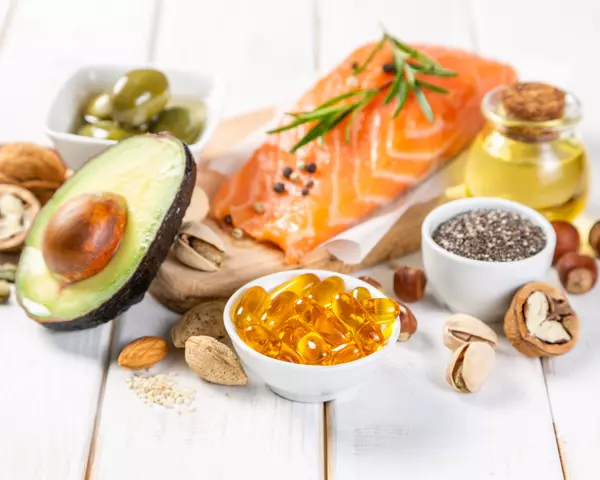
A small handful of nuts a day can be a convenient addition to your diet. Almonds, walnuts or hazelnuts provide valuable fats and minerals, among other nutrients. They work well as a snack between meals or as a topping for salads, muesli and yoghurt.
-
Use legumes regularly in your meals
Beans, lentils or chickpeas can be used in many ways in the kitchen. Studies link regular consumption of several portions of legumes per week with positive effects on various cardiovascular parameters. They fit well in soups, stews or colourful salads, for example.
-
Include berries more often in your diet
Berries such as blueberries or currants contain natural plant compounds, including anthocyanins. A portion of berries at breakfast or as a snack can therefore be a flavoursome addition.
-
Plan fish meals consciously
Try to eat fish two to four times a week. Particularly fatty varieties like salmon provide omega-3 fatty acids, which are often mentioned in the context of a heart-healthy diet. Fish can be baked, steamed or served as part of a salad, for example.
-
Eat leafy green vegetables regularly
Vegetables such as spinach, Swiss chard, lettuce or various types of cabbage provide numerous minerals and vitamins, including vitamin K, and can contribute to a varied diet. They are easy to integrate into salads, stir-fries or smoothies.
-
Prefer fresh foods
Try to use fresh fruit and vegetables as often as possible and reduce highly processed convenience products. A colourful selection of vegetables – ideally about three portions a day – provides many phytochemicals and essential nutrients.
-
Use tomatoes in a variety of ways
They contain the plant compound lycopene, which belongs to the group of antioxidants. A low blood lycopene level has been associated with unfavourable cardiovascular measures in studies. Tomatoes can be used raw, cooked or as a sauce and are easily integrated into many dishes.
-
Keep an eye on your salt intake
A conscious approach to salt can be useful in everyday life. The World Health Organization recommends a daily intake of around five to six grams. Season foods more often with fresh herbs and reduce highly salted foods such as crisps, salted sticks (pretzel sticks) or cured products.
-
Prefer high-quality fats
For oils and fats, aim for good quality where possible. Oils with a high proportion of omega-3 fatty acids, such as linseed or hemp oil, can be a useful addition. At the same time, it can be helpful to use highly processed or hydrogenated fats as rarely as possible.
- Use asparagus during the season
Asparagus is traditionally appreciated for its diuretic properties. It also contains various minerals and plant compounds. Steamed, pan-fried or served in a salad, it is a light addition to seasonal cuisine.