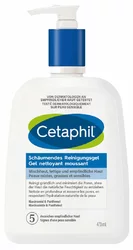
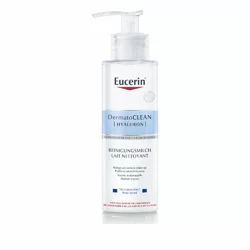
Face cleansing
10 tips for clear pores and a fresh-looking complexion
-
Rely on minimalism instead of product overload
Too many cleansing products can irritate the skin and weaken the acid mantle. Start with a mild cleanser suited to your skin type — gel, foam, milk or micellar water. A targeted, simplified routine protects the skin barrier and improves the skin's appearance over time.
-
Identify your skin type accurately
Normal, dry, oily or combination — every skin has different needs. Oily skin requires sebum-regulating, oil-free formulations, while dry skin benefits from hydrating, lipid-rich cleansers. Knowing your skin type helps avoid poor purchases and irritation.
-
Use the appropriate texture
For normal skin, mild cleansing gels or cleansing milks are suitable. Oily and blemish-prone skin benefits from clarifying gels with antibacterial ingredients such as salicylic acid. Dry skin needs nourishing, hydrating products — preferably alcohol-free.
-
Cleanse in the right order
Start with make-up removal, then proceed to the actual cleansing. Afterwards, clarify the skin with a toner or micellar water to remove residues and prepare the skin optimally for skincare. Only then apply serum and cream.
-
Cleanse at most twice a day
In the morning you remove sebum, sweat and residues of night care; in the evening make-up and environmental dirt. Cleansing more often can dry out the skin and make it more sensitive. Excessive cleansing weakens the skin's natural protective function.
-
Pay attention to correct application
Massage the cleansing product gently in circular motions and rinse thoroughly with lukewarm water. Pat the face dry afterwards — vigorous rubbing irritates the delicate facial skin.
-
Avoid aggressive soaps
Traditional soaps can alter the skin's pH and attack the acid mantle. Specifically designed facial cleansers are pH-neutral for the skin and support the skin barrier.
-
Use exfoliants selectively
A facial exfoliant removes dead skin cells and stimulates cell renewal. However, it is not part of the daily routine — once a week is sufficient. For sensitive skin, choose gentle, non-abrasive options.
-
Add a mask if needed
For oily or impure skin, clarifying masks can reduce excess sebum. Hydrating masks give extra support to dry skin. Masks are a useful addition but do not replace basic daily cleansing.
-
Don't forget sun protection
After cleansing and care, daytime skincare should always include UV protection. UV rays accelerate skin ageing and can promote pigmentation — even on cloudy days. Sunscreen is therefore an essential part of a complete facial care routine.